Types of kitchen knives: which knife for what?
From paring knife to carving knife: the main types of kitchen knives, what they are made for – and the three knives that cut almost everything.
4 min read · 14 November 2026
In the kitchen there is a knife for almost every task. That is handy for professionals – but rather confusing for home cooks. Which knife is made for what? And which ones do you really need?
This overview shows you the main types of knives, sorted by task, with links to detailed articles and the matching selection.
Knife types at a glance
| Knife | Blade length | Made for |
|---|---|---|
| Chef's knife | 18–24 cm | All-rounder: vegetables, meat, herbs, rocking cut |
| Santoku knife | 16–19 cm | All-rounder: vegetables, meat, fish |
| Bunka | 16–21 cm | like the santoku, with a pointed tip for fine work |
| Nakiri knife | 16–18 cm | Vegetables and herbs |
| Utility knife | 12–15 cm | small jobs: onions, fruit, cheese |
| Paring knife | 8–10 cm | Peeling and trimming in the hand |
| Bread knife | 20–25 cm | Bread, cakes, hard crusts |
| Fillet knife | 16–20 cm | Filleting fish, trimming meat |
| Carving knife | 20–26 cm | Slicing roasts and ham |
| Steak knife | 11–13 cm | Cutting meat at the table |
The big all-rounders
Chef's knife
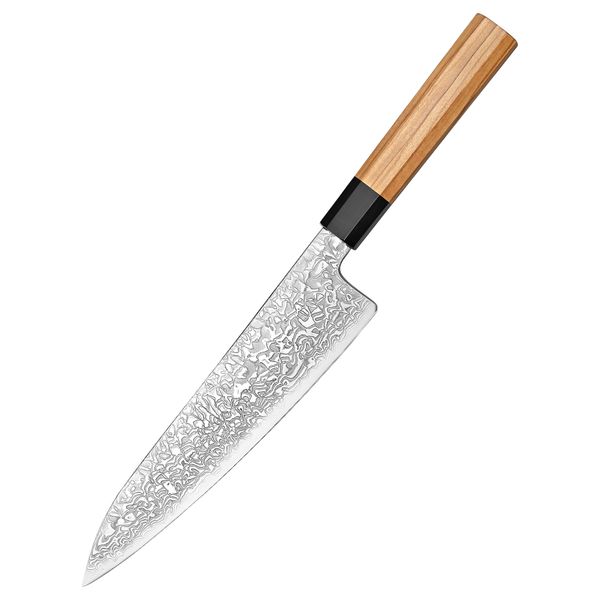
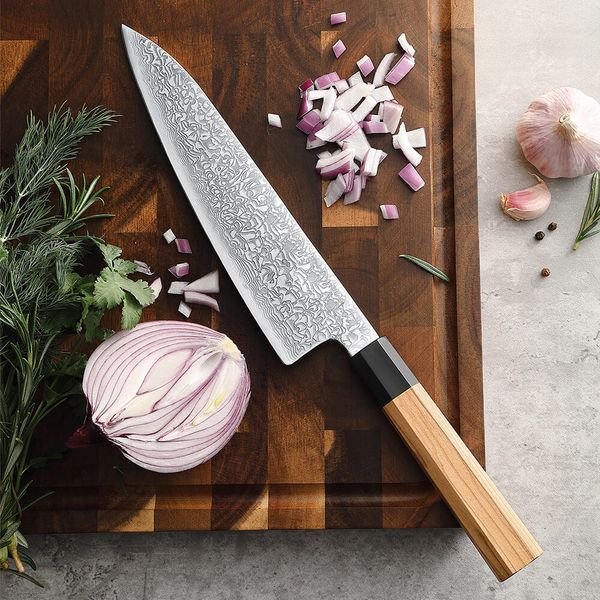
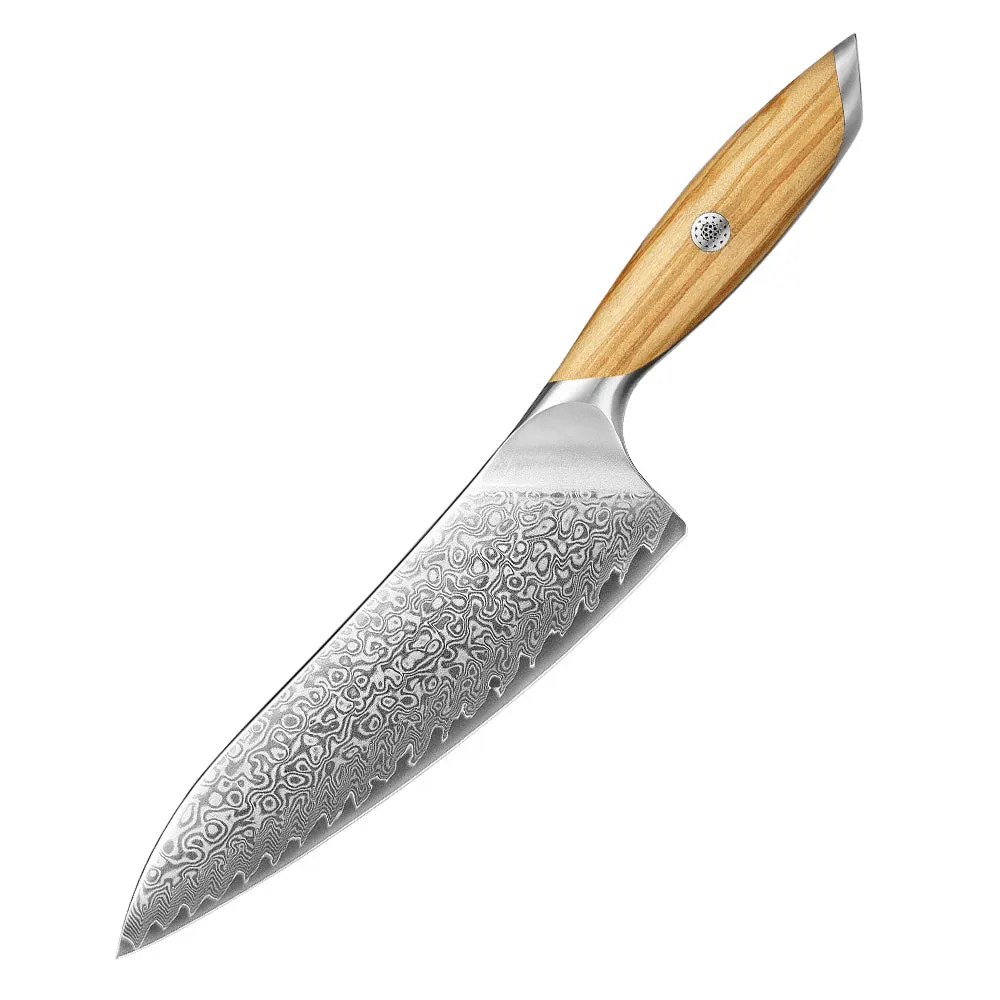
The chef's knife is the most important knife in European cooking. Its long, curved blade is made for the rocking cut: the tip stays on the board while the blade rocks up and down. Ideal for herbs, onions and large quantities. Its Japanese-style counterpart is called the gyuto.
Santoku knife
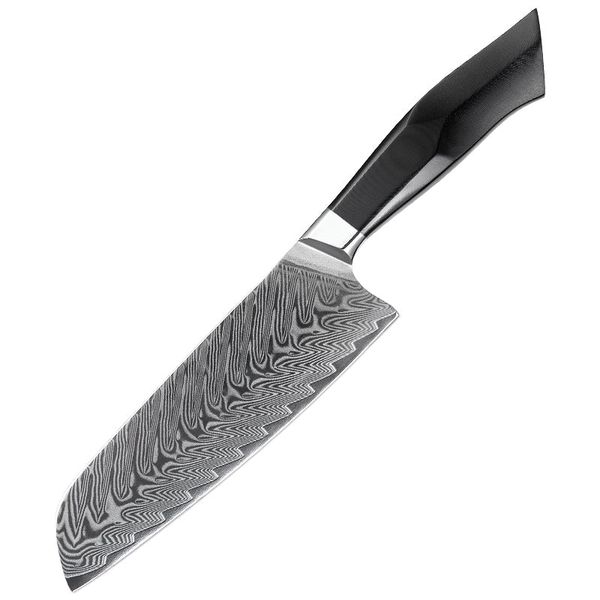
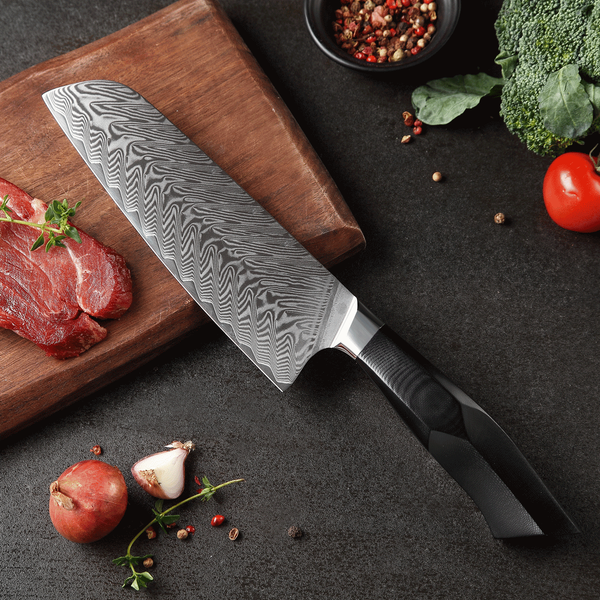
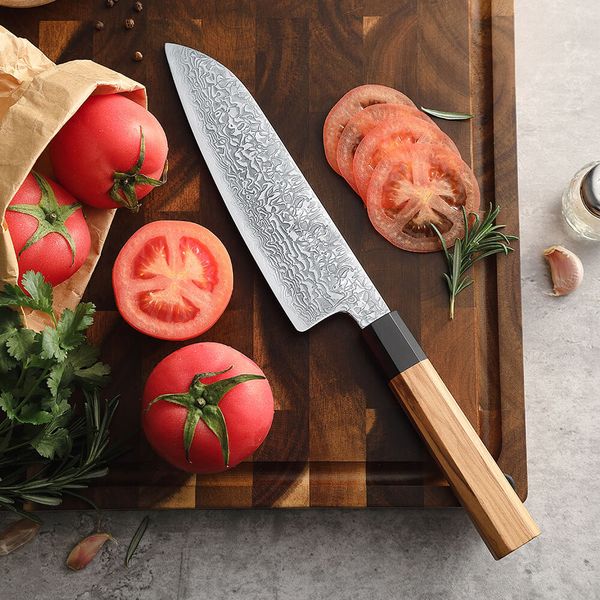
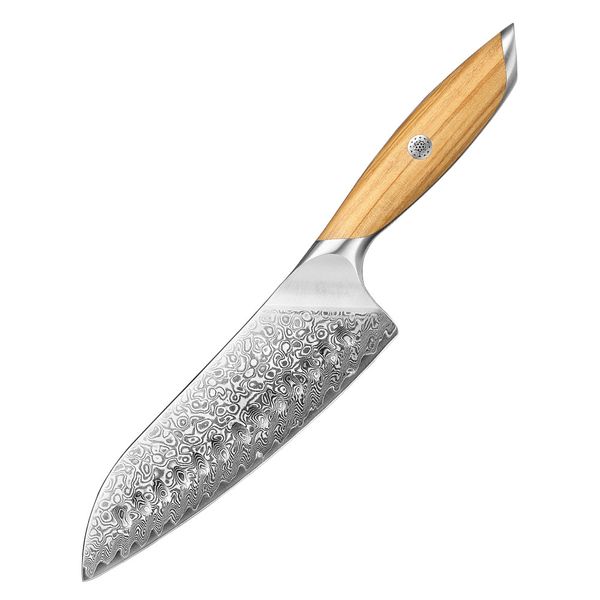
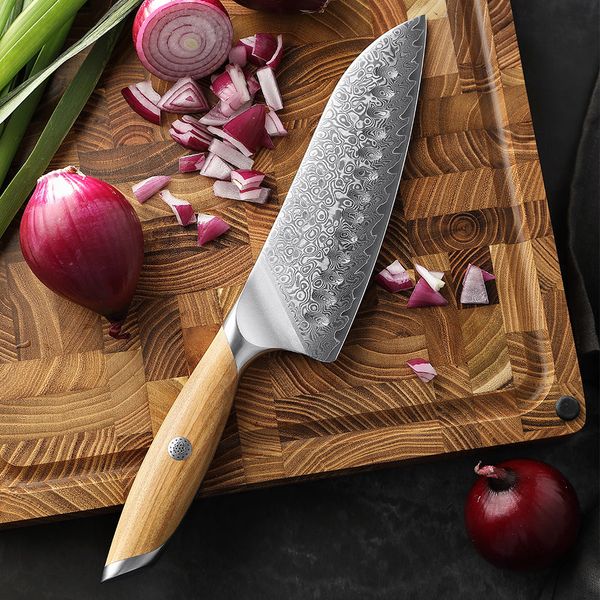
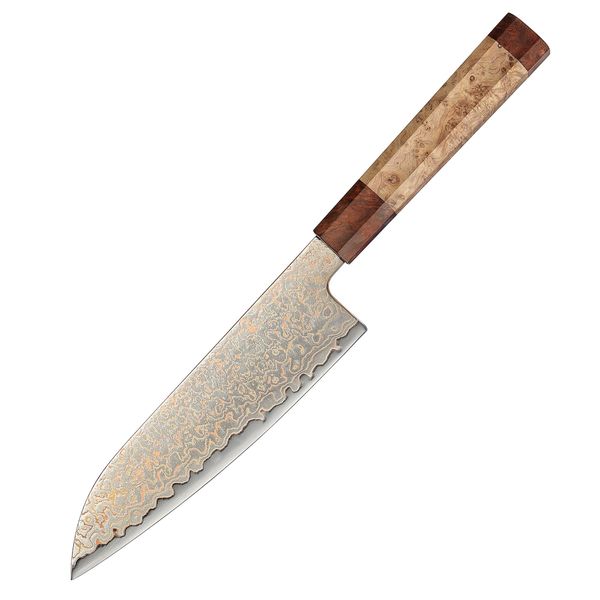
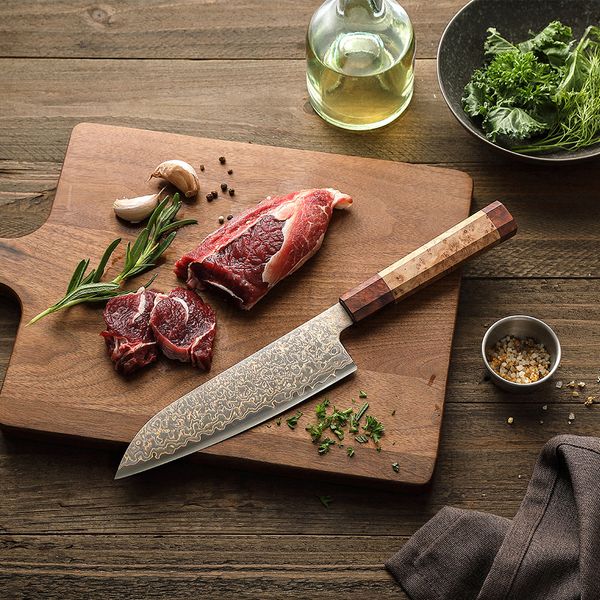
The santoku is shorter and has a flatter edge with a rounded tip. Its name is often translated as "three virtues" – for vegetables, meat and fish. It is many people's favourite knife because it is easy to handle and suits any kitchen. What to look for when buying is covered in our santoku knife test.
Bunka
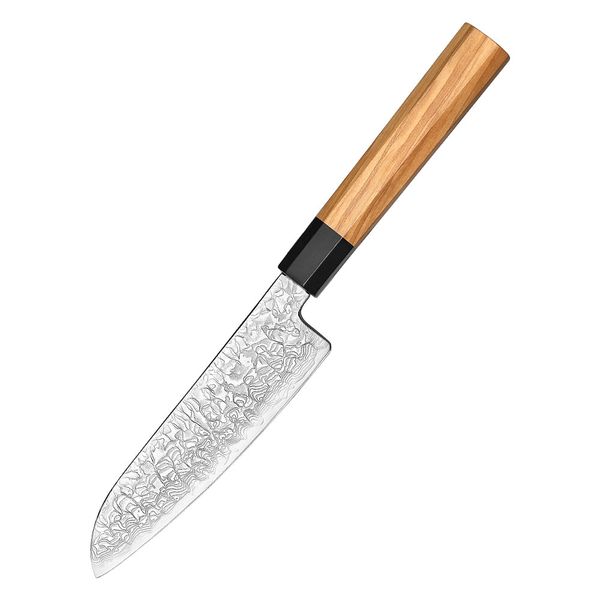
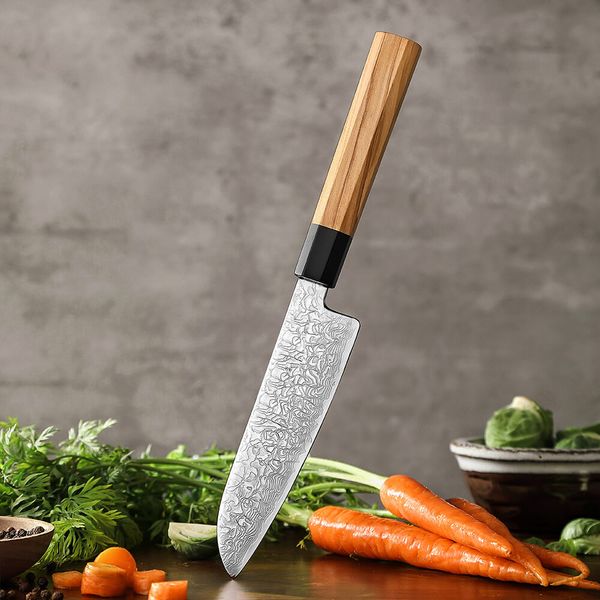
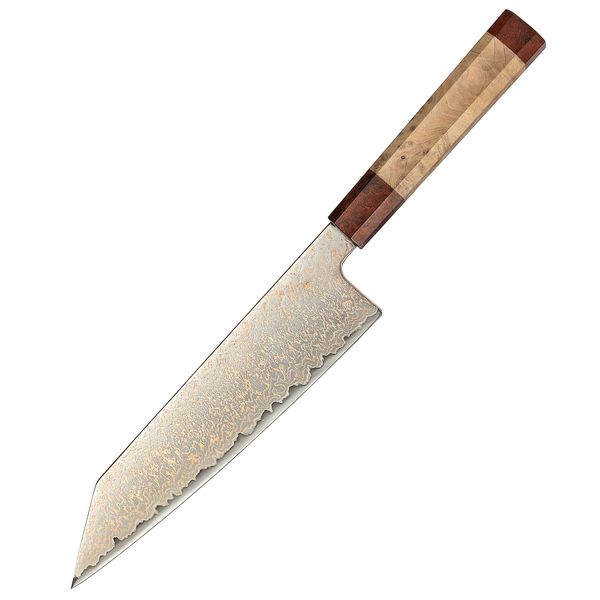
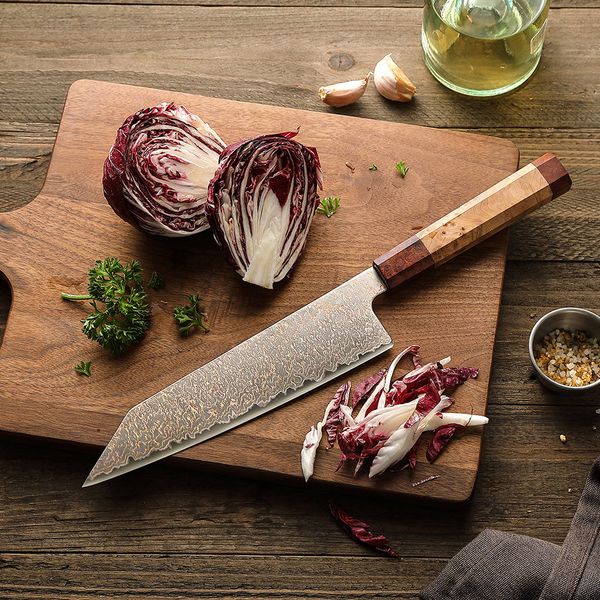
The bunka resembles the santoku but has a tapering, angled tip (kiritsuke shape). This makes fine work such as scoring or dicing shallots particularly easy.
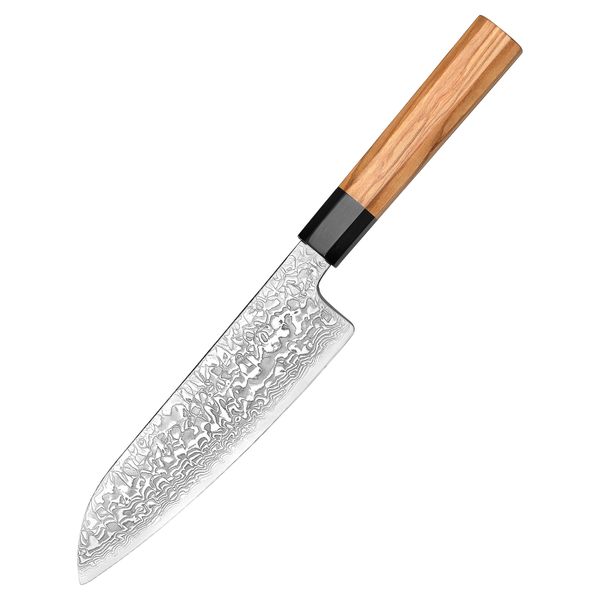
In the shop · KAYA
Santoku knife
€129,00
Knives for vegetables
The nakiri has a rectangular blade with a straight edge. It rests on the board along its whole length and cuts through vegetables in one stroke. For small jobs in the hand there are vegetable and paring knives. You will find all the shapes in detail in the article Vegetable knives.
The small knives
- The utility knife (also called a petty) is the small knife for everything too fine for the big one: garlic, shallots, fruit, cheese.
- The paring knife is shorter still and is used in the hand – for peeling, trimming and scoring.
The specialists
Bread knife
The bread knife has a serrated edge that saws through hard crusts without squashing the soft crumb. Also good for firm-skinned tomatoes and iced cakes.
Fillet knife
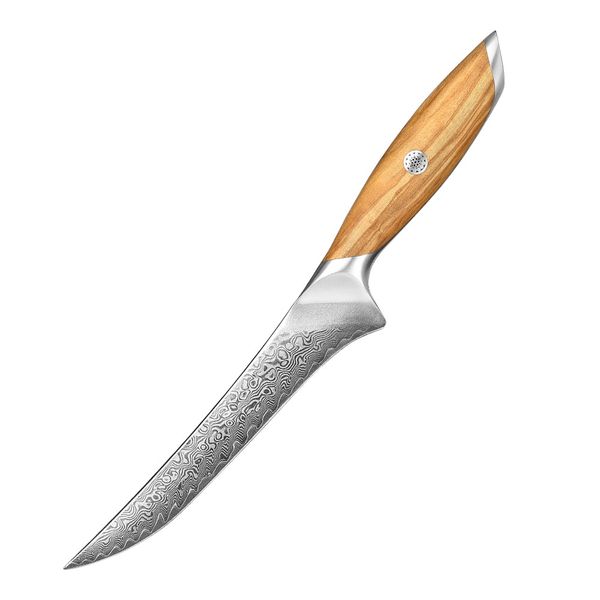
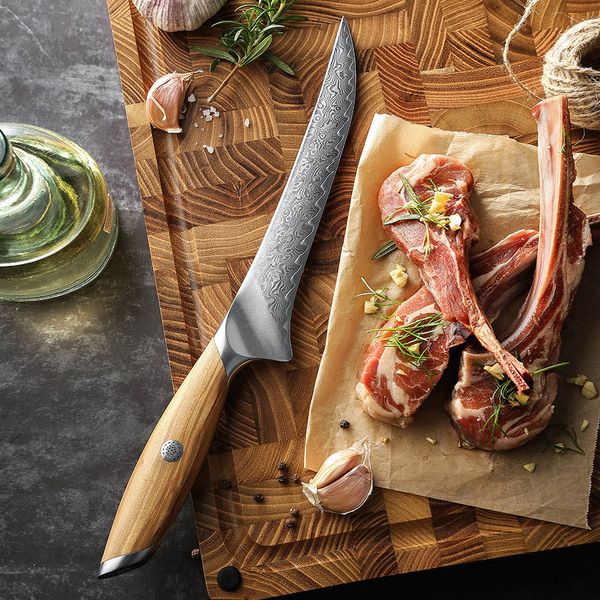
The fillet knife is narrow and flexible. It follows the bones and cleanly separates the fillet from the skin. Our guide How to fillet fish shows you how.
Carving knife
The carving knife has a long, narrow blade for even slices of roast, roast beef or ham – in a single long stroke.
Steak knife
The steak knife belongs at the table. A sharp, straight blade cuts meat without tearing it – the juices stay in the steak.
Cleaver
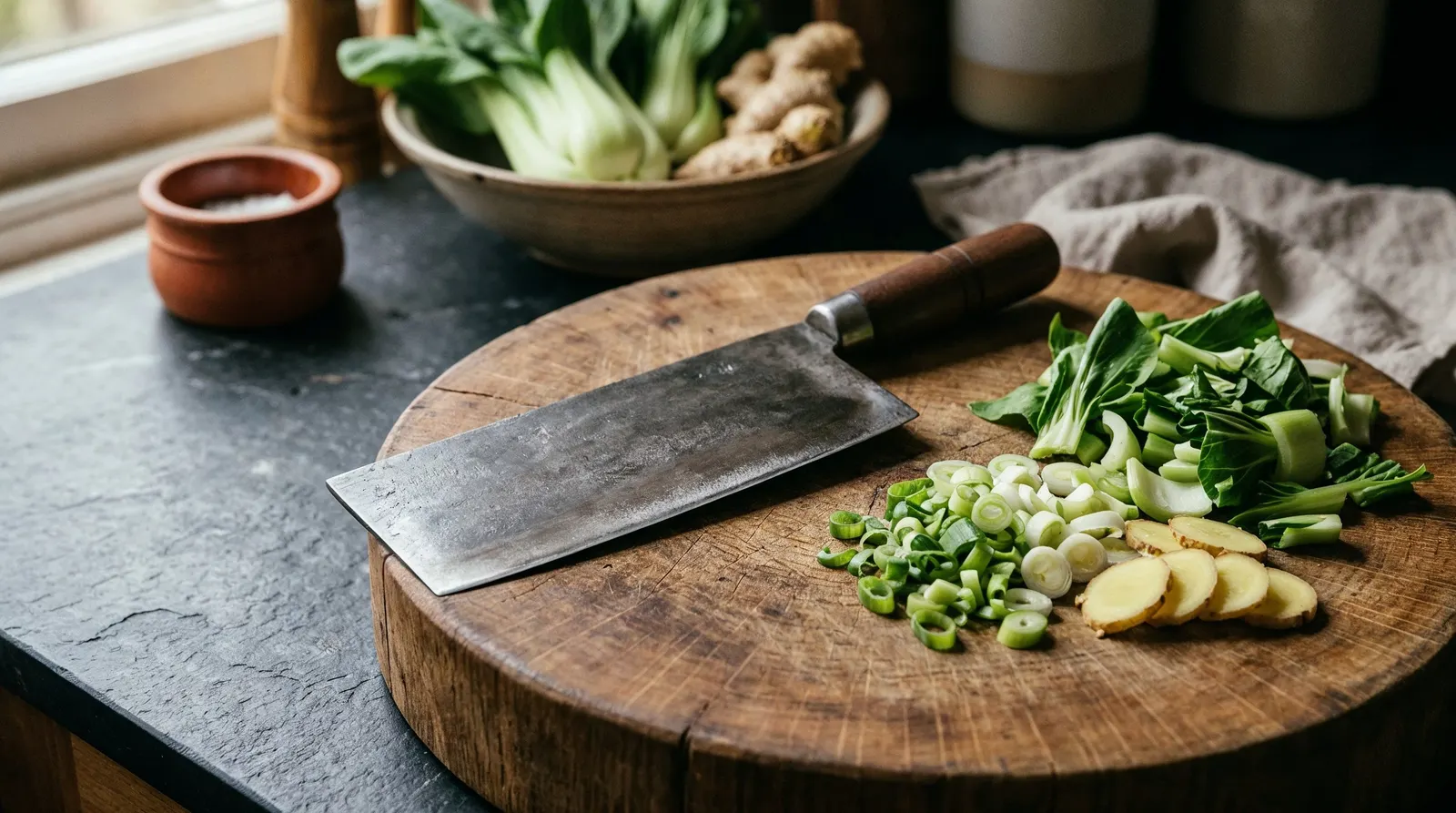
Three very different knives go by the name cleaver: the heavy meat cleaver for bones, the thin Chinese chef's knife and the nakiri. You will find the comparison under Cleaver.
Which knives do you really need?
For most kitchens, three knives are enough:
1. a large all-purpose knife (chef's knife or santoku), 2. a small knife (utility or paring knife), 3. a bread knife.
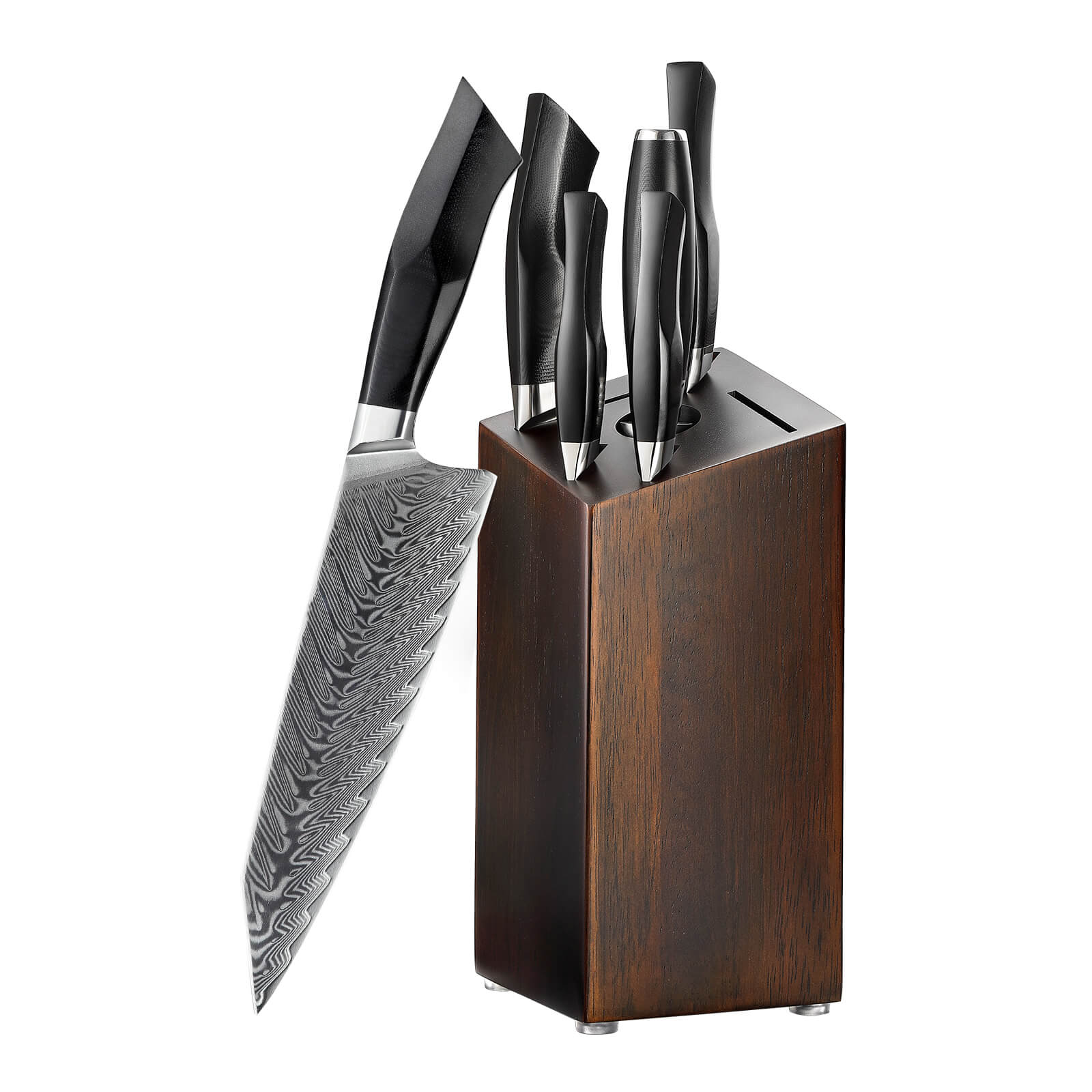
Anything else is worth it if you do a particular task regularly – a fillet knife, for example, if you often prepare fish. How many knives a set should have is explained in our knife set test.
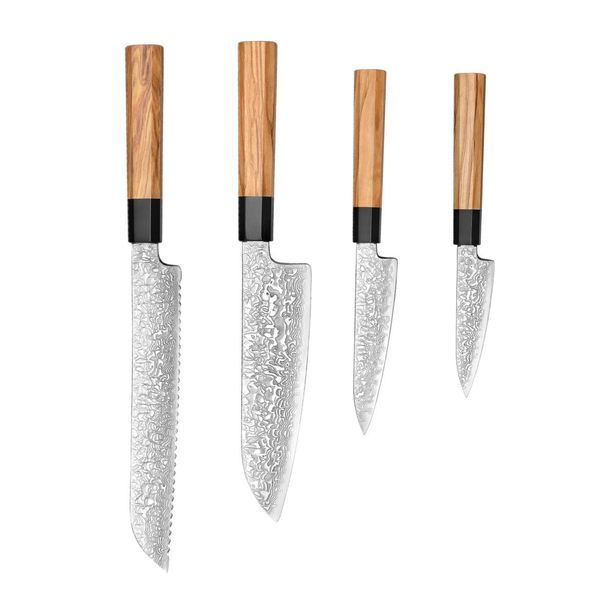
In the shop · KAYA
4-piece Advanced set
€359,00
Frequently asked questions
What types of kitchen knives are there?
The most important are the chef's knife, santoku, nakiri, utility knife, paring knife, bread knife, fillet knife, carving knife and steak knife. On top of that come Japanese-style shapes such as the bunka or gyuto.
Which knife is the most important?
A large all-purpose knife – chef's knife or santoku. It handles most of your cutting.
What is the difference between a chef's knife and a santoku?
The chef's knife is longer and more curved, made for the rocking cut. The santoku is shorter, flatter and easier to handle.
How many knives do you need in the kitchen?
Three are enough for almost everything: a large all-purpose knife, a small knife and a bread knife.
What is a utility knife for?
For small jobs where the big knife is too unwieldy: garlic, shallots, fruit, cheese or sausage.
Matching in the shop