Knife set test: how many knives do you really need?
A good knife set isn't the biggest one, but the one whose knives you actually use. How many you need, which set size suits you and how to test it.
3 min read · 11 November 2026
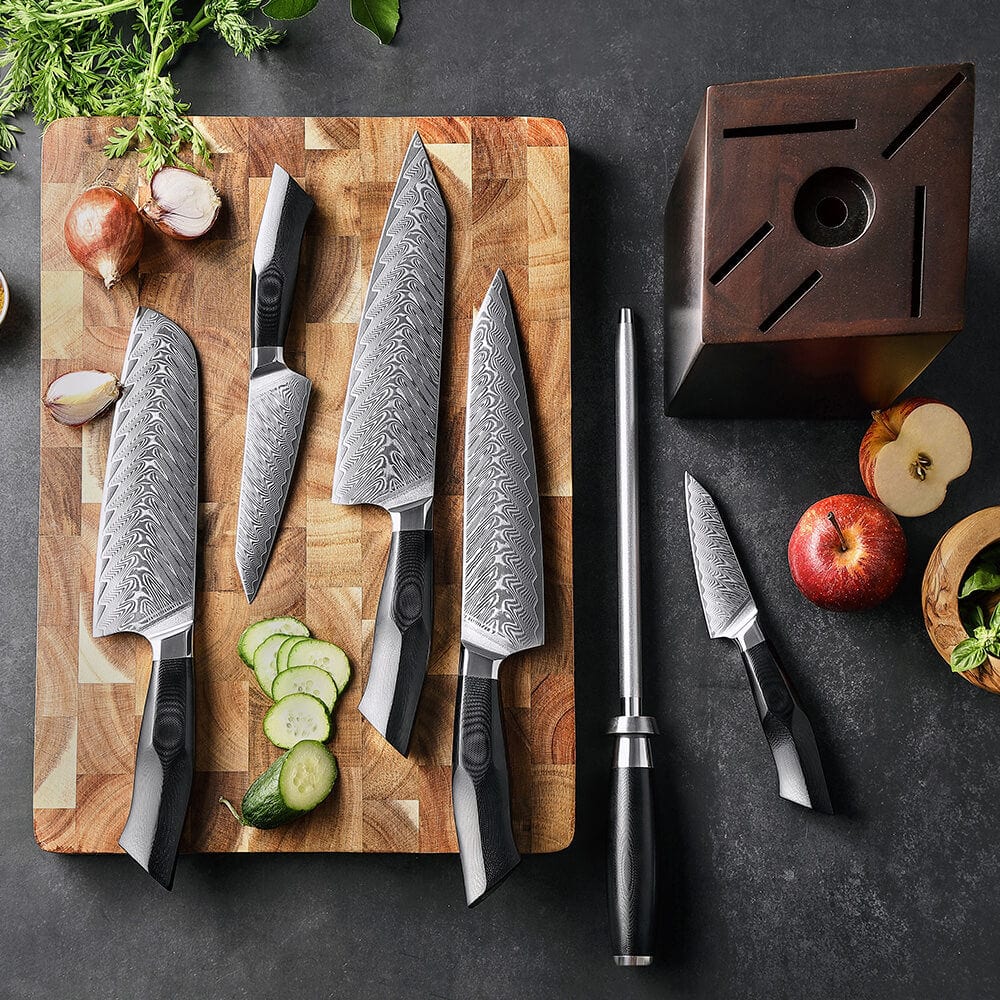
Many knife sets tempt you with as many pieces as possible. In practice, though, most people reach for the same two or three knives again and again – the rest sit unused in the block. A good knife set is therefore not the biggest, but the one whose knives you actually use.
We are a knife retailer, not a testing institute. So there is no test winner here, but rather the criteria that, in our experience, really matter – and a test you can do yourself.
How many knives do you really need?
For most kitchens, three knives are enough:
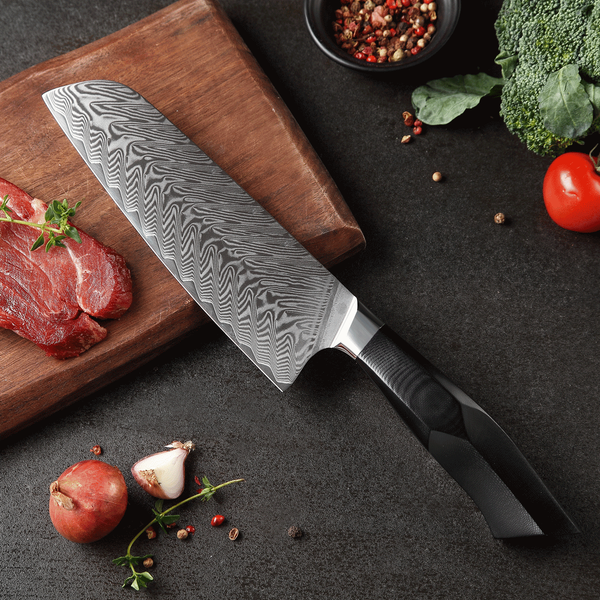
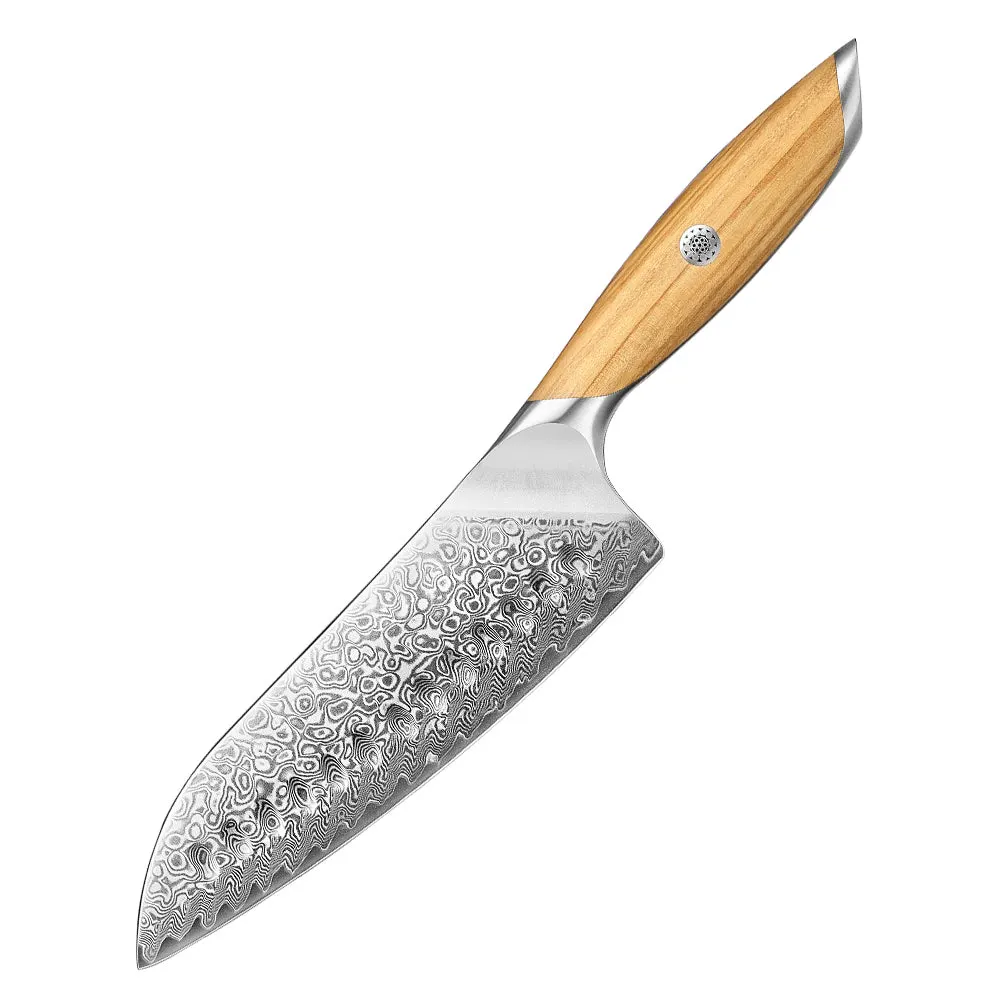
- A large knife – santoku or chef's knife for vegetables, meat, fish and herbs.
- A small knife – utility knife or paring knife for fruit, garlic and work in the hand.
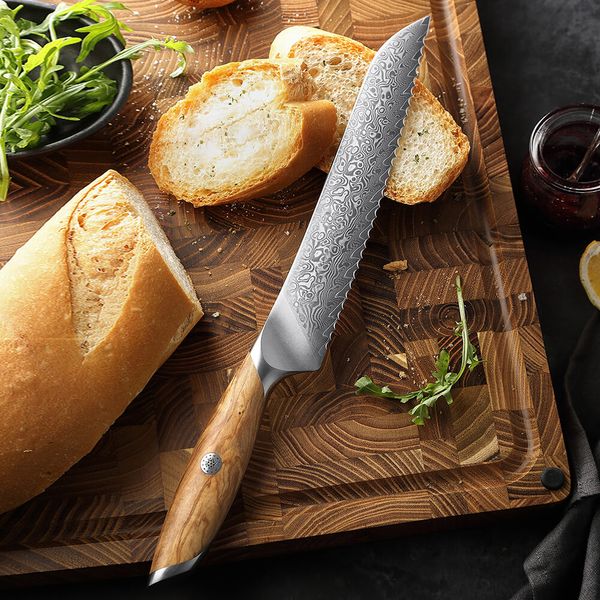
- A bread knife for crusty bread, tomatoes and roasts.
If you cook a lot, add a nakiri knife for vegetables or a second large knife. Hardly anyone needs more than six knives at home.
Which set size suits you?
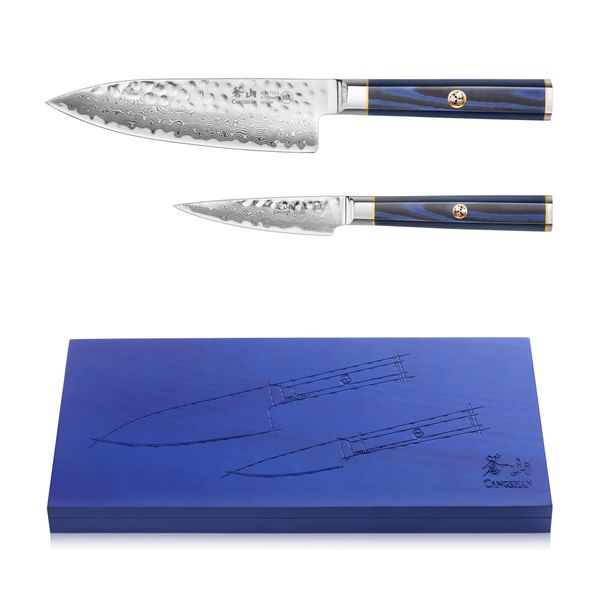
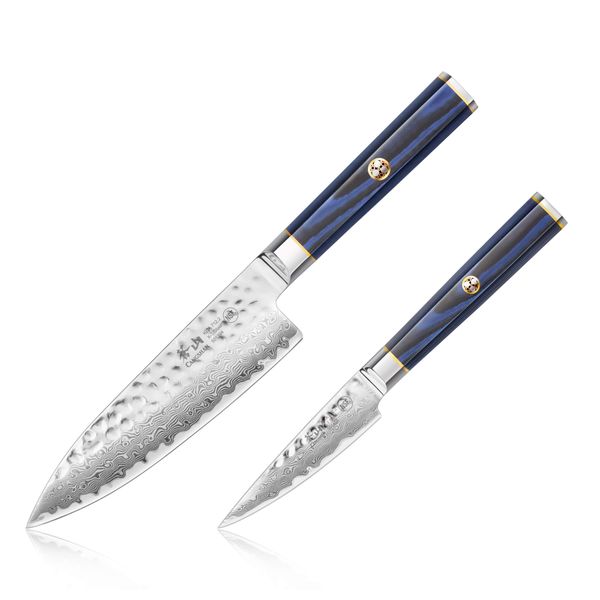
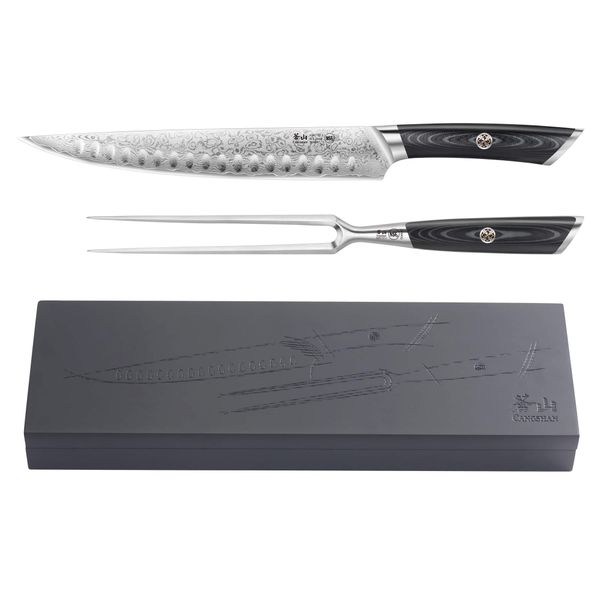
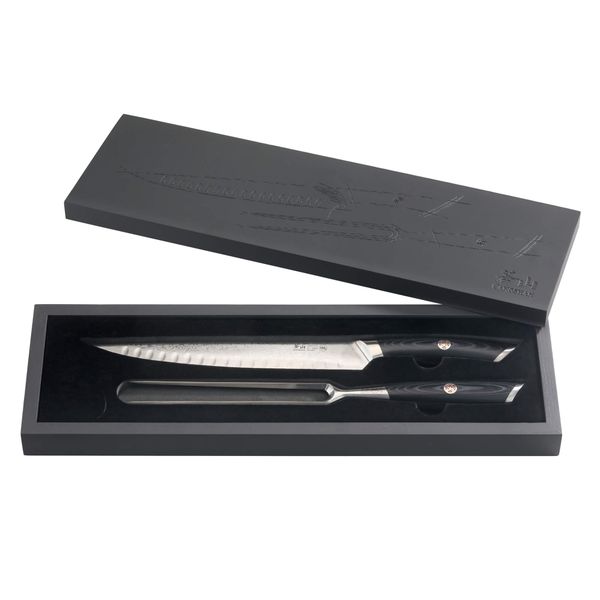
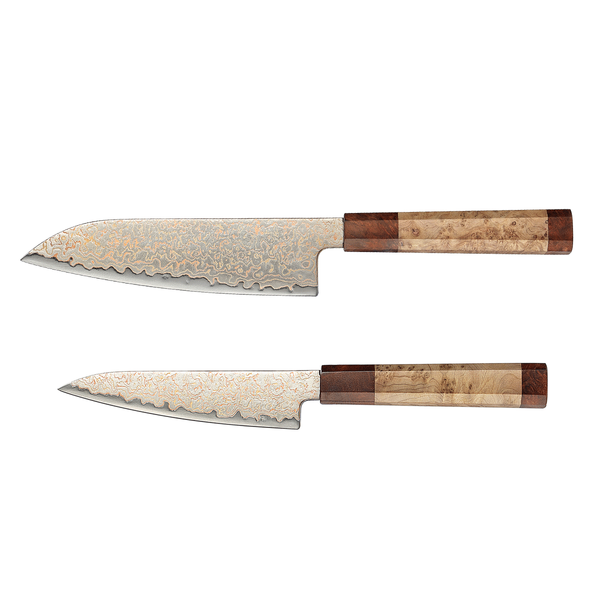
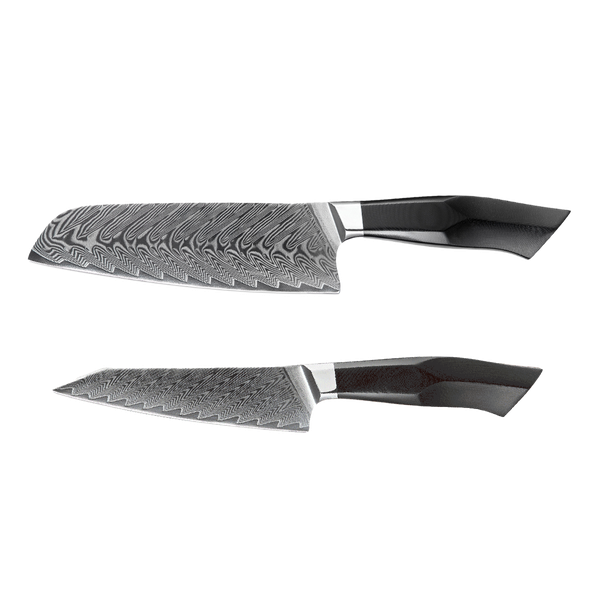
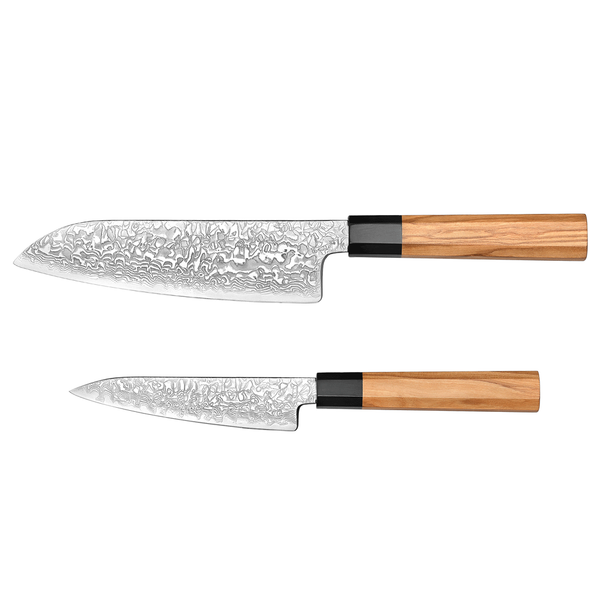
- 2-piece set (large + small knife): the starting point – and a popular gift. Our Starter sets usually combine a santoku and a utility knife.
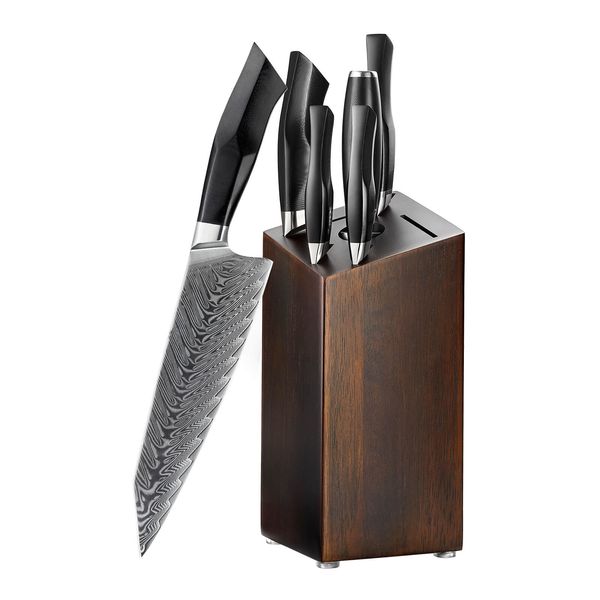
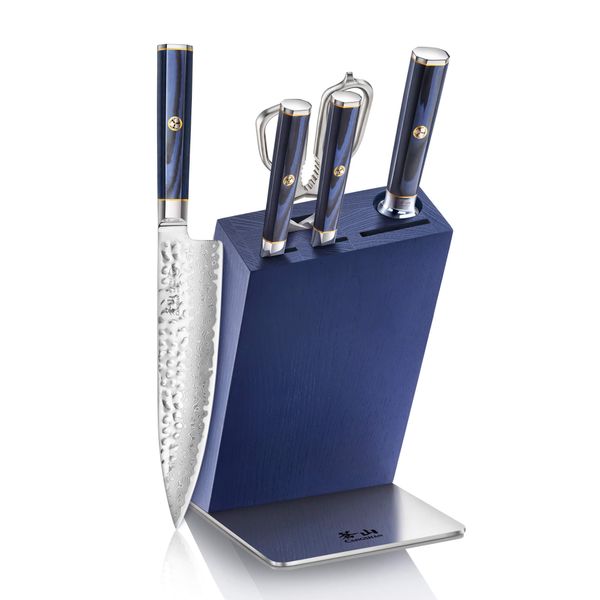
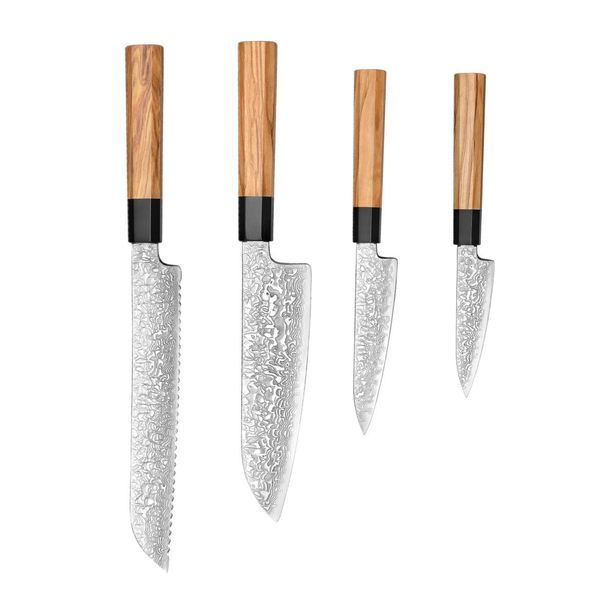
- 4- to 5-piece set: santoku, utility, paring and bread knife – that completes almost any kitchen. See our Advanced sets.
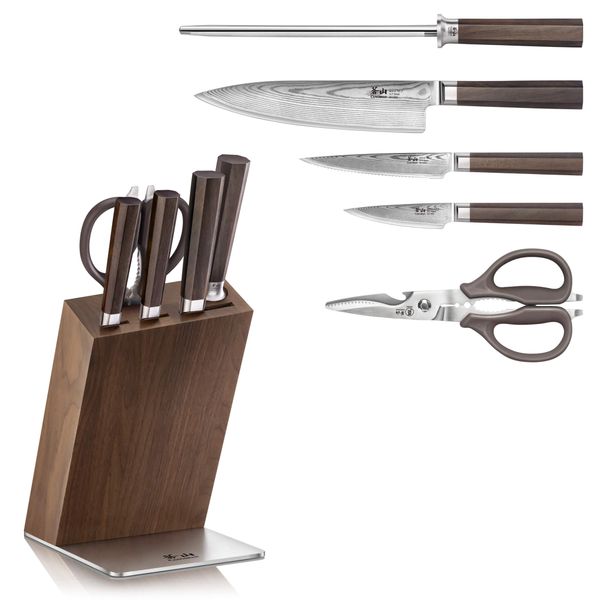
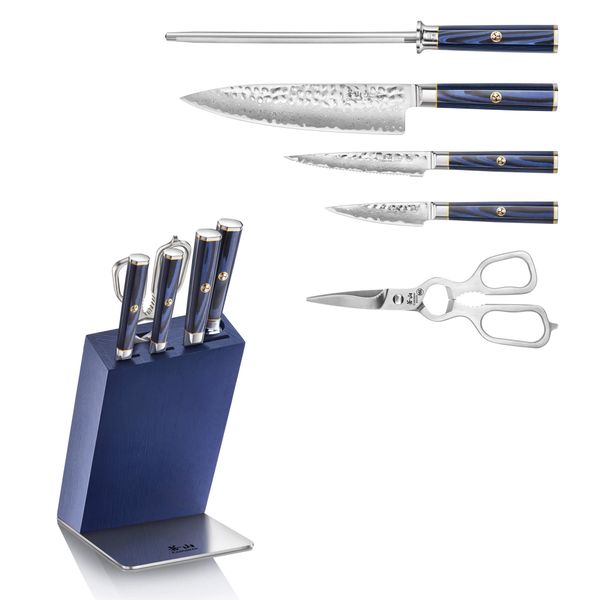
- 6-piece set: plus a chef's knife and a nakiri – for everyone who cooks a lot and loves it. See our Professional sets.
How to recognise a good knife set
- The same quality for every knife: some sets pair a good main knife with cheap extras. Make sure all the knives are made of the same steel.
- Hardness from around 60 HRC: this keeps all the knives sharp for a long time.
- Fine edge: about 15 degrees per side cuts much more easily than thick standard edges.
- No filler pieces: six-packs of steak knives, forks or scissors push up the piece count without being used often.
- Resharpenable: a good set can be made sharp again and again on a whetstone.
Is a set with a knife block worth it?
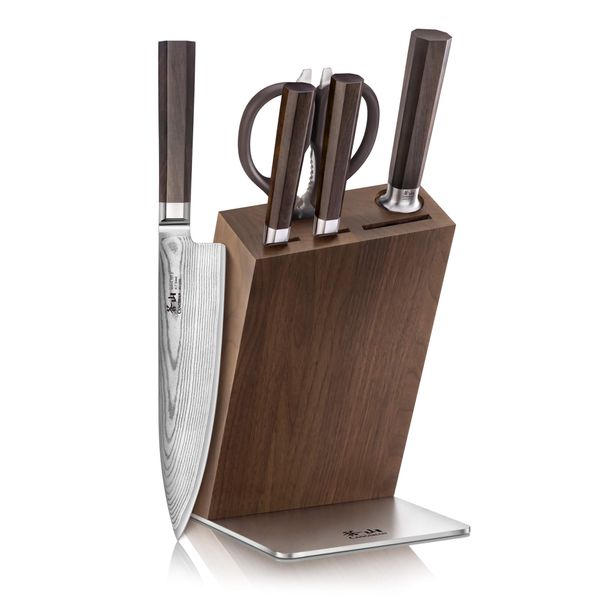
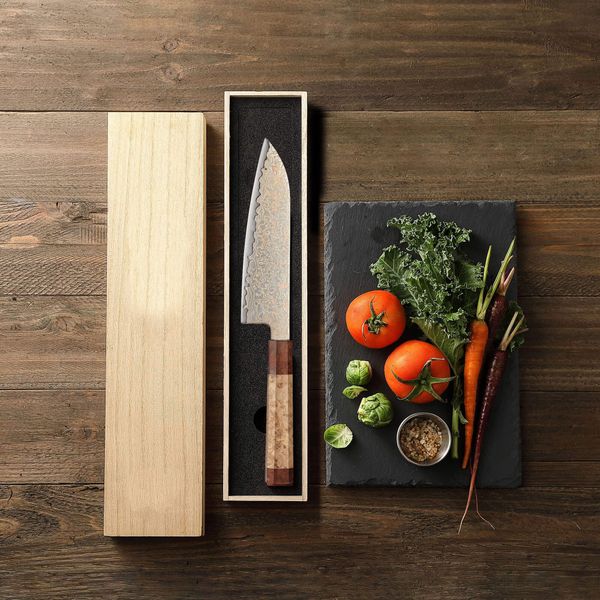
A knife block protects the edges and keeps everything to hand – if it's well made. In classic blocks with narrow slots, the blades rub against the wood when pulled out, and moisture dries poorly. A good alternative is a magnetic knife block or a magnetic knife strip: the blades sit free, touch nothing and air-dry. You will find complete sets with a block under Knife sets with block.
How to test a knife set at home
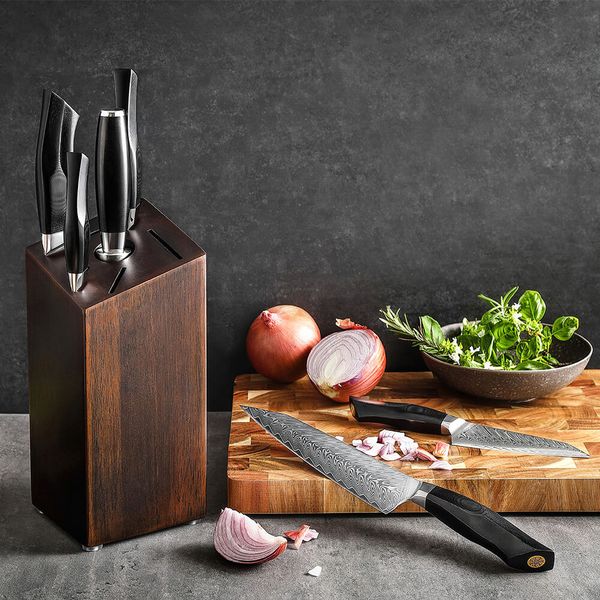
Main knife first: test the large knife thoroughly – dice an onion, chop herbs, cut a carrot crosswise. It's the knife you'll use most.
Small knife in the hand: peel an apple. The knife should sit securely in the hand without pressure.
Bread knife on the crust: slice a loaf with a hard crust. The crumb shouldn't get squashed.
Paper test for all knives: every knife in the set should slice cleanly through a sheet of paper – not just the main knife.
Our recommendation
If you're starting out, a 2-piece set with santoku and utility knife is the best way in – plus a bread knife. If you want to equip your kitchen completely in one go, choose a 4- or 6-piece set from one series so that all the knives match.
In the shop · KAYA
2-piece Starter set
€199,00
In the shop · KAYA
4-piece Advanced set
€359,00
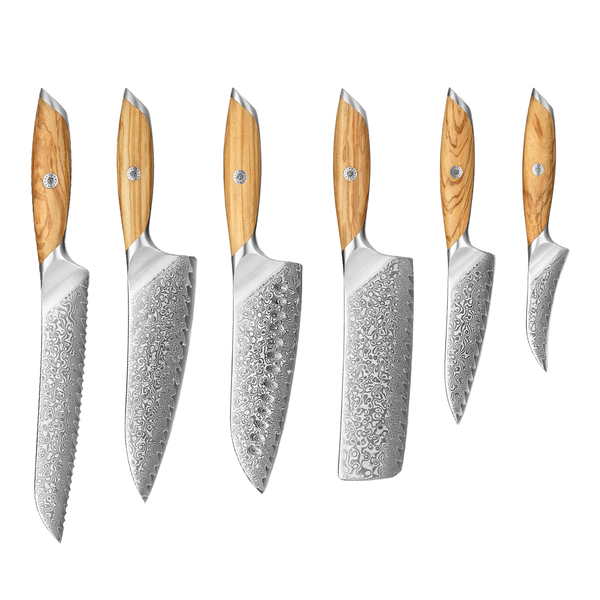
In the shop · ORIBU
6-piece Professional set
€699,00
Matching in the shop