
Damascus kitchen knives
You notice a good kitchen knife with every cut. Here you'll find every Damastchef knife individually, from the santoku through the chef's knife and bread knife to the small paring knife, each with a sharp damascus steel blade and a handle that sits securely in your hand.
35 products
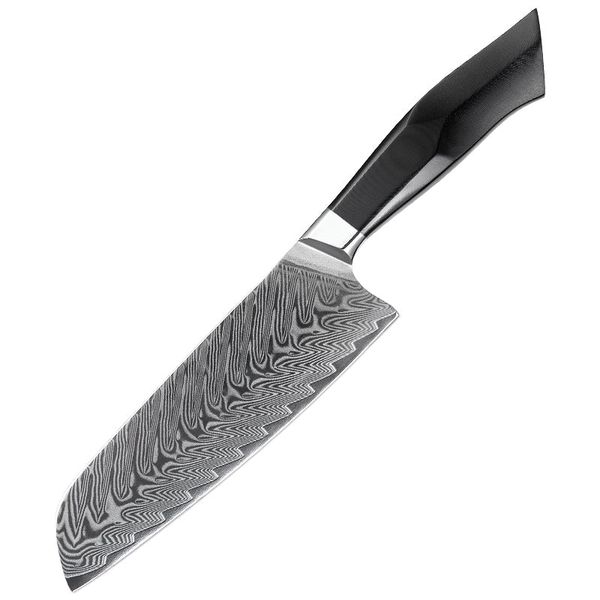
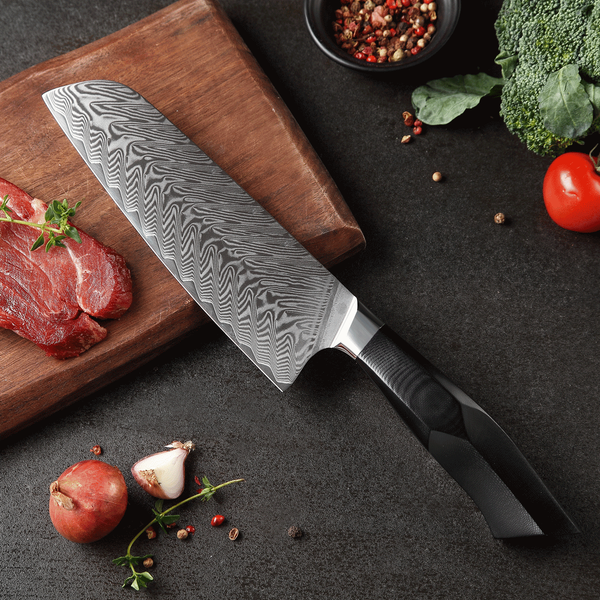
BLACK
Santoku knife
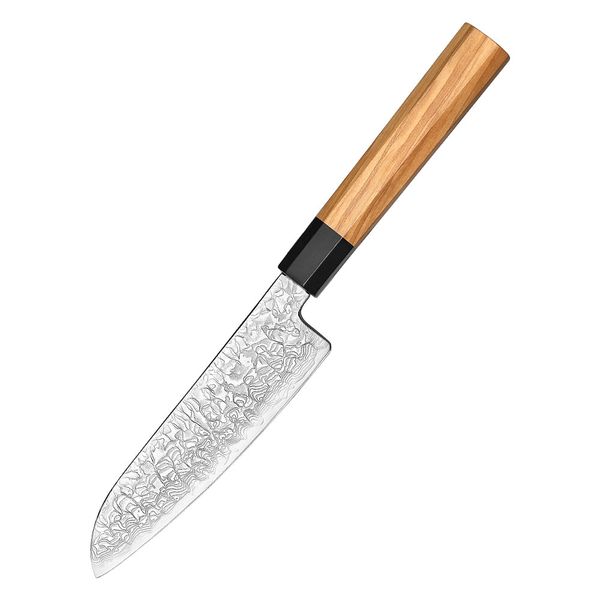
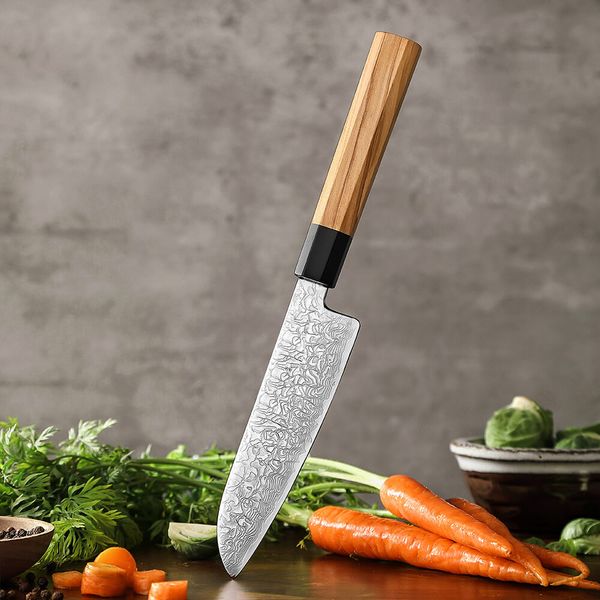
KAYA
Small santoku knife
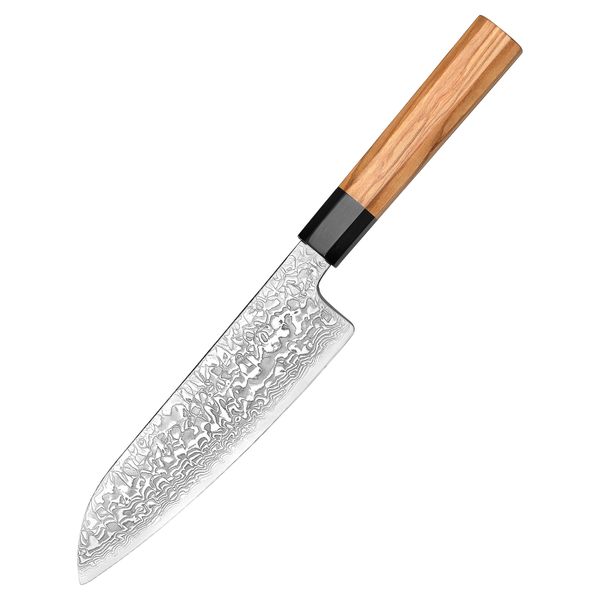
KAYA
Santoku knife
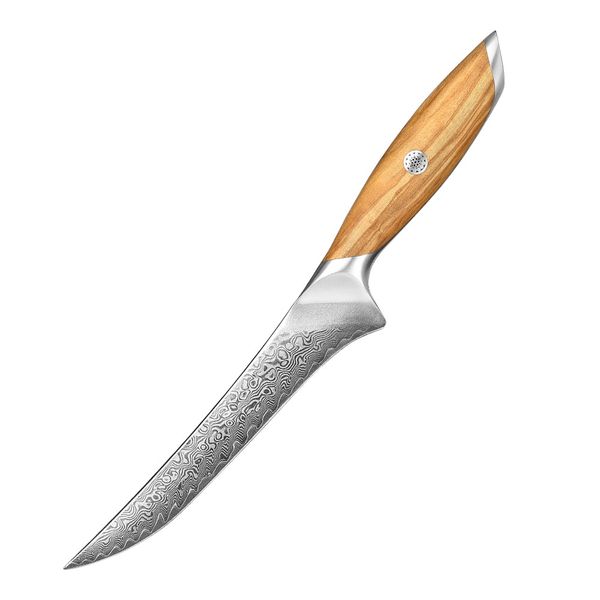
ORIBU
Fillet knife
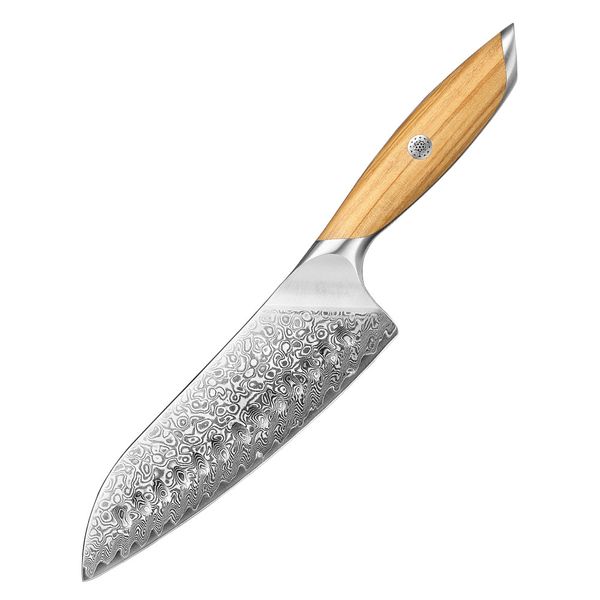
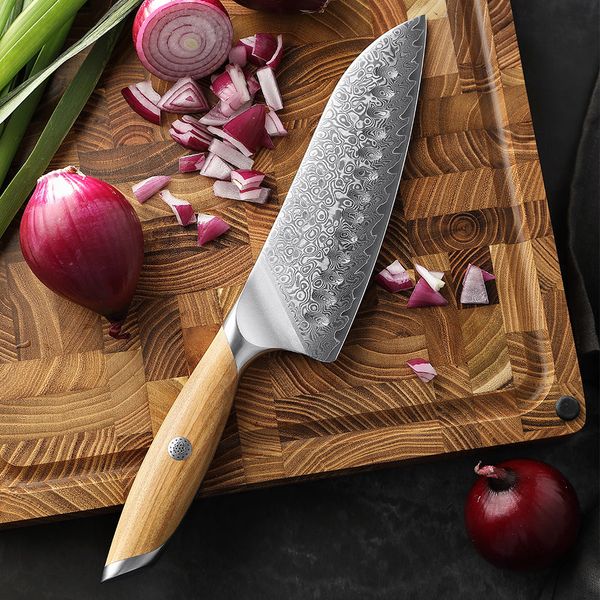
ORIBU
Santoku knife
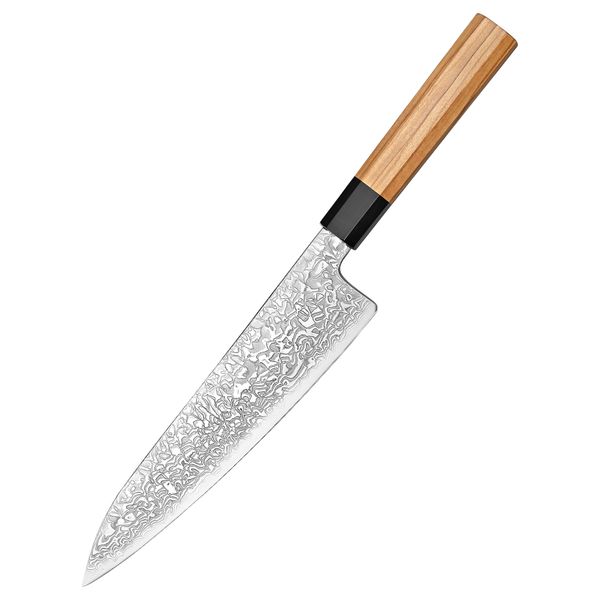
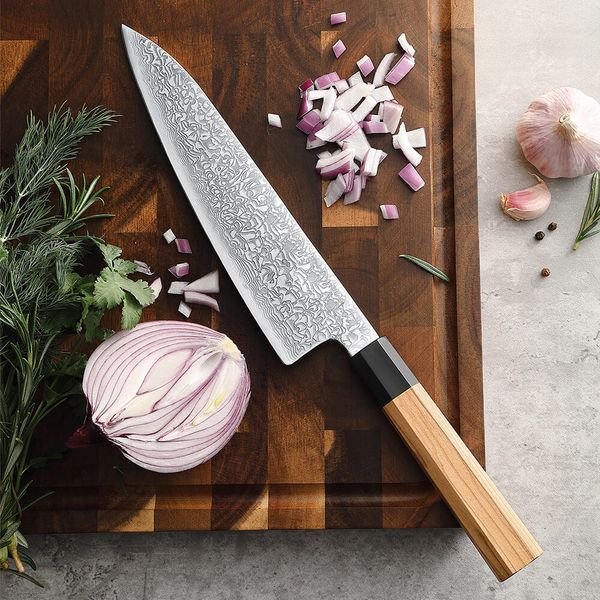
KAYA
Chef's knife
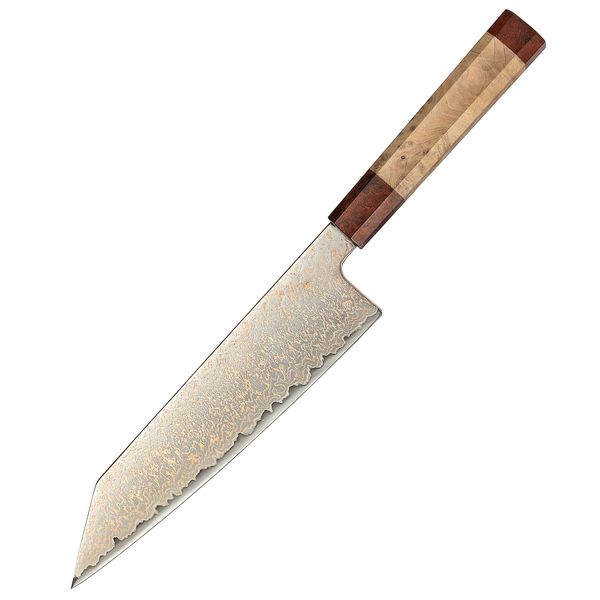
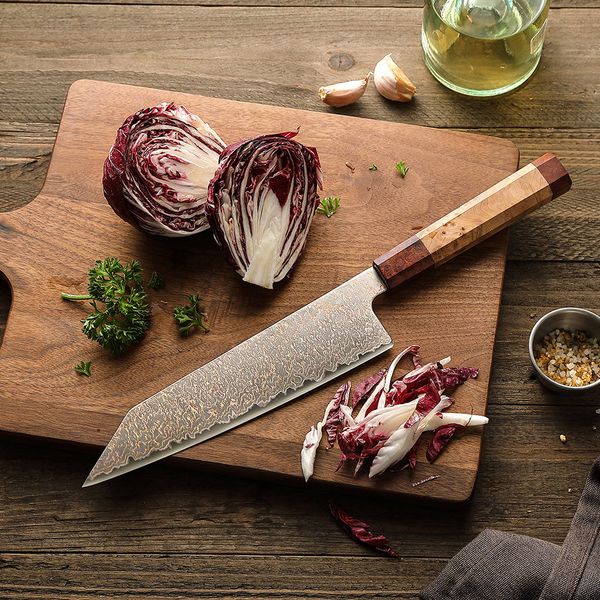
HIIRO
Bunka knife
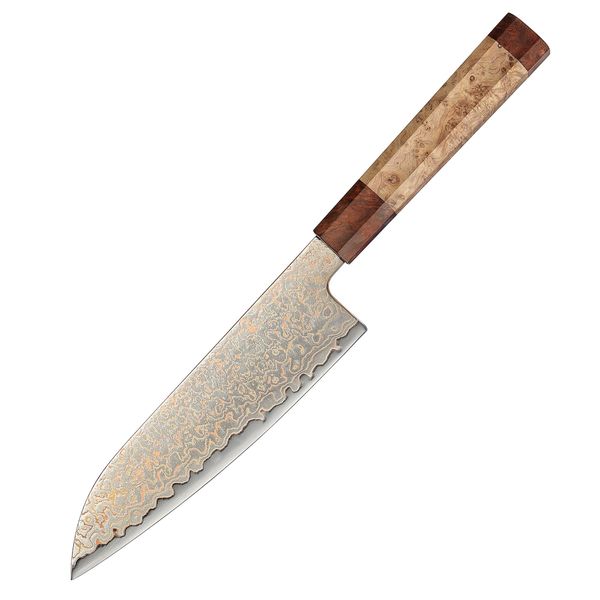
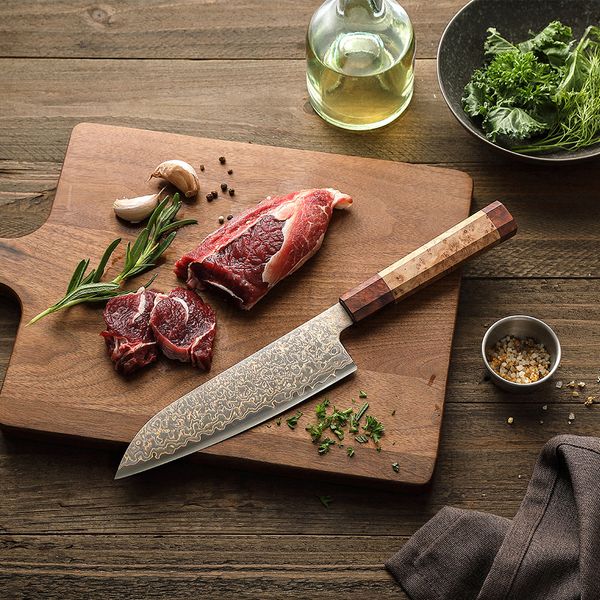
HIIRO
Santoku knife
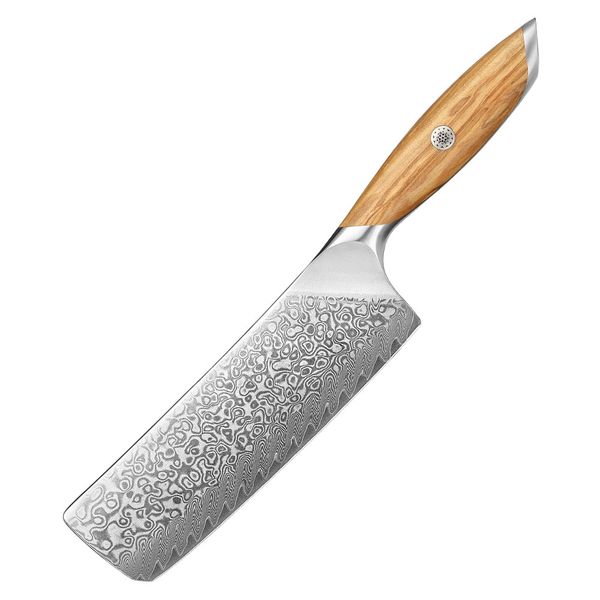
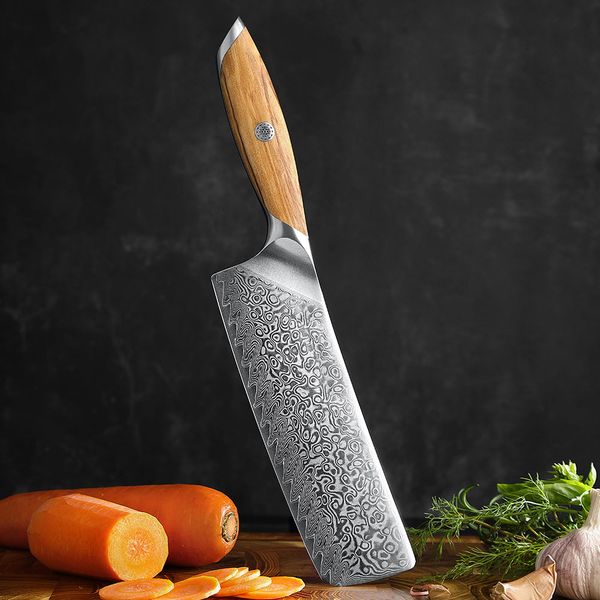
ORIBU
Nakiri knife
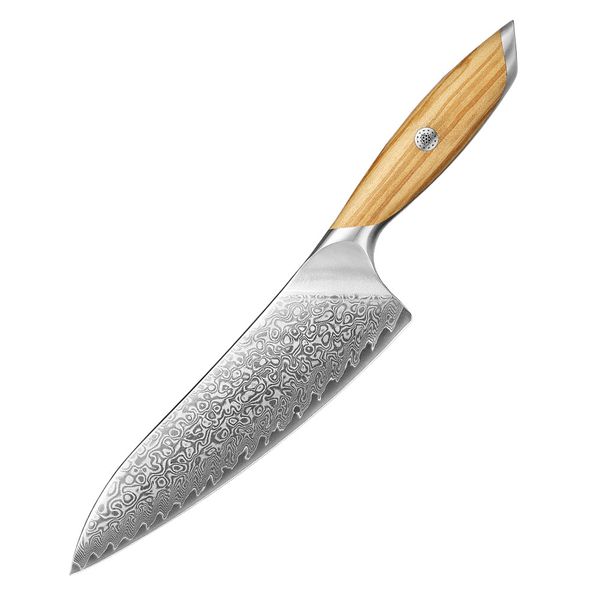
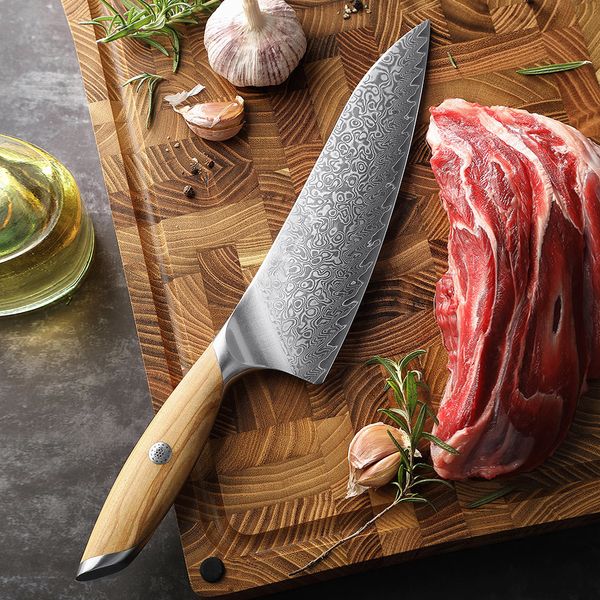
ORIBU
Chef's knife
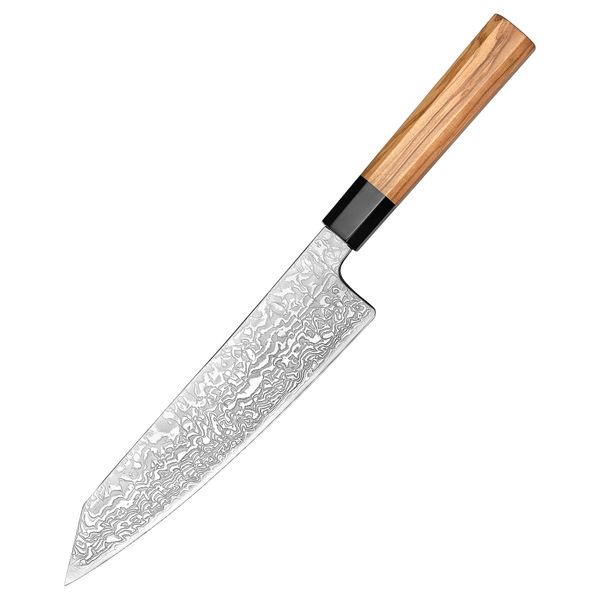
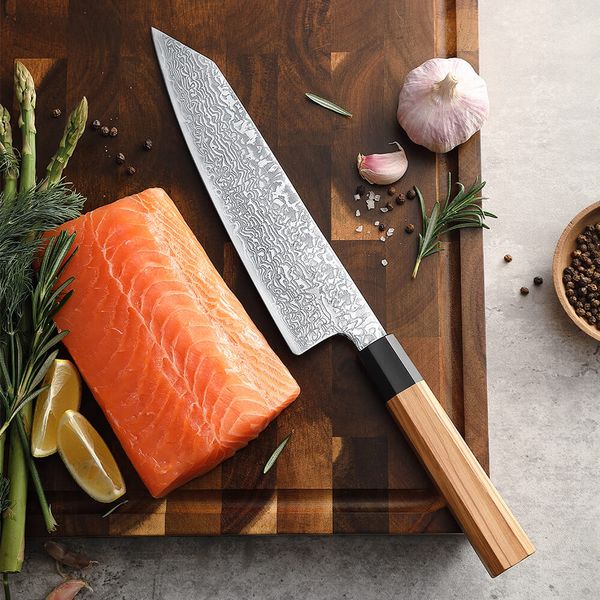
KAYA
Bunka knife
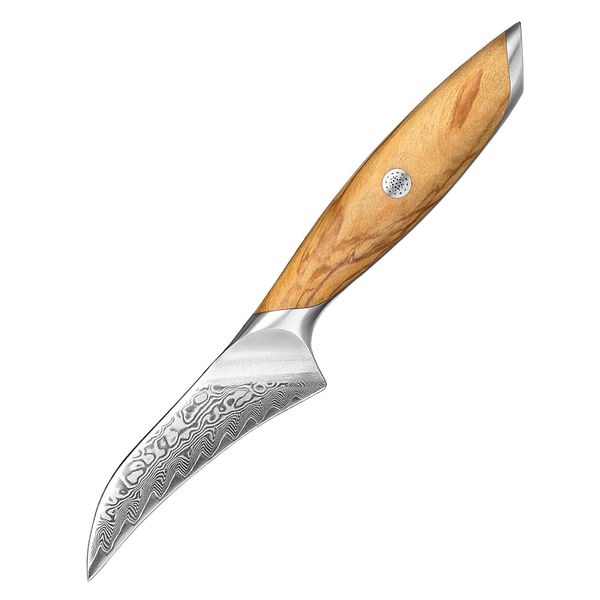
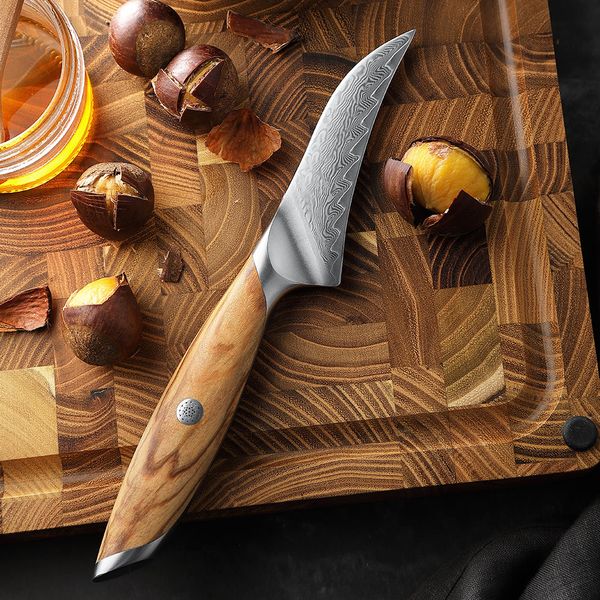
ORIBU
Paring knife
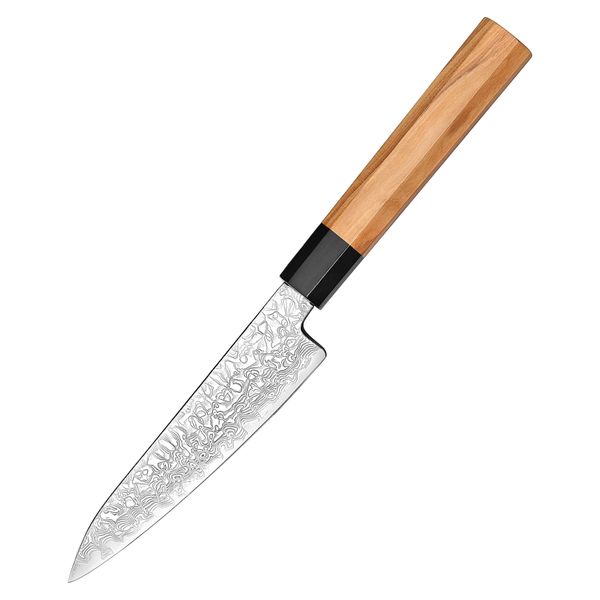
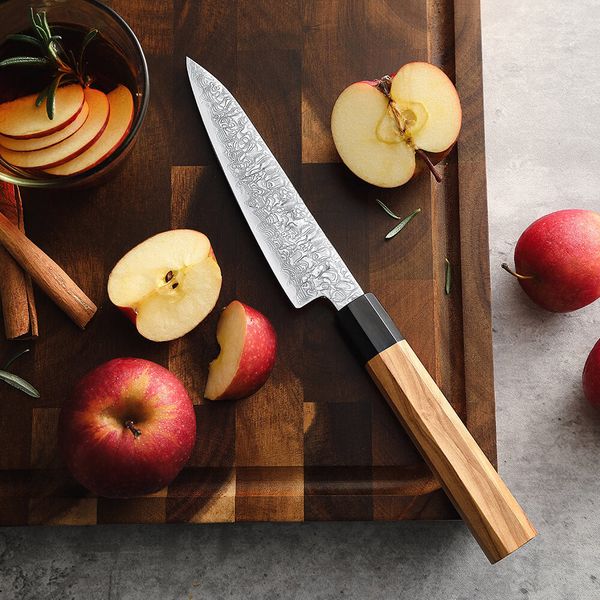
KAYA
Utility knife
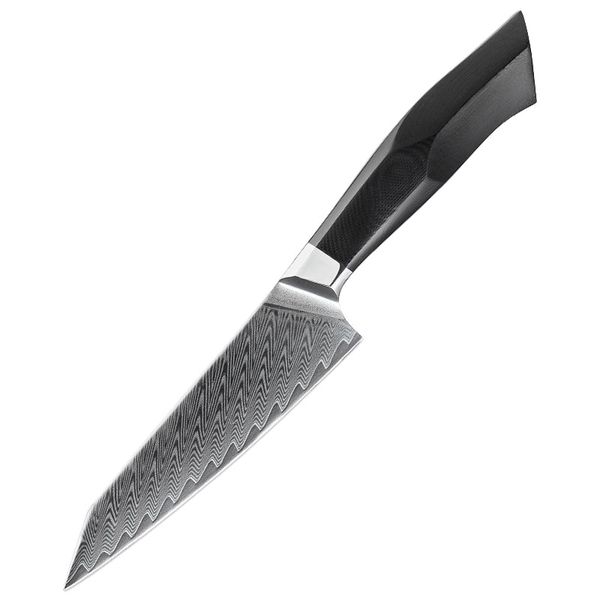
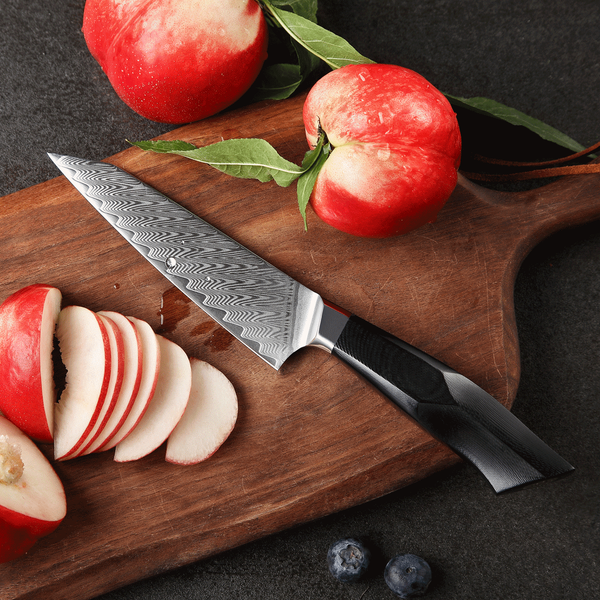
BLACK
Utility knife
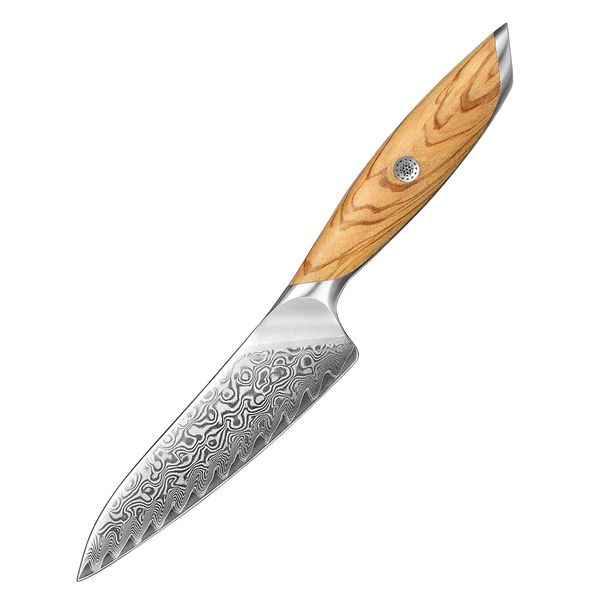
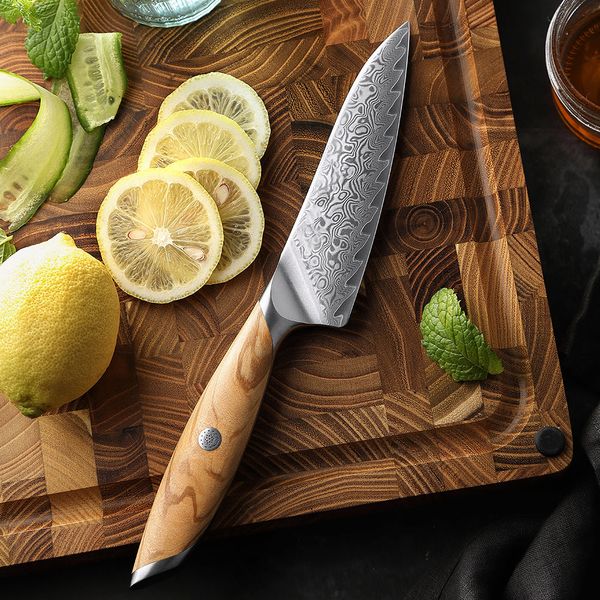
ORIBU
Utility knife
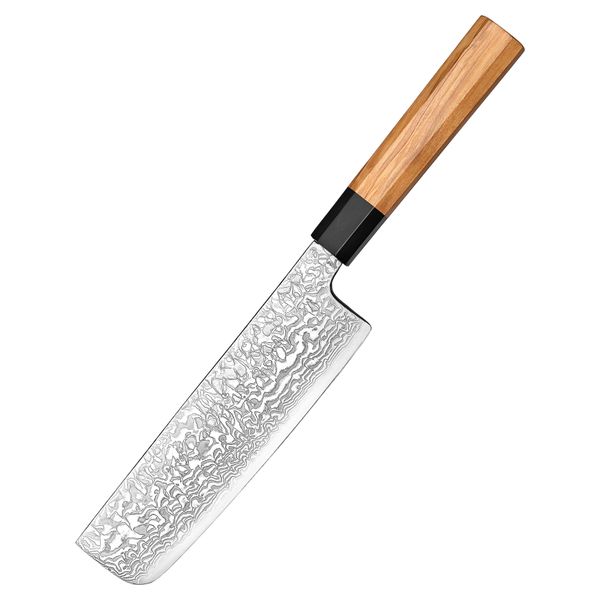
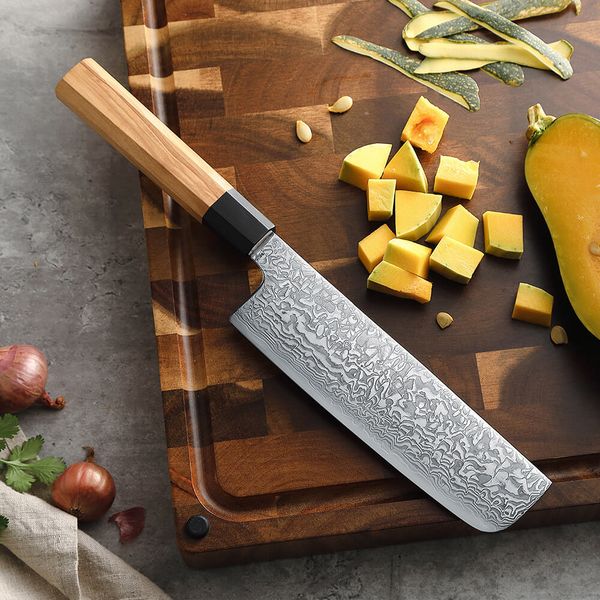
KAYA
Nakiri knife
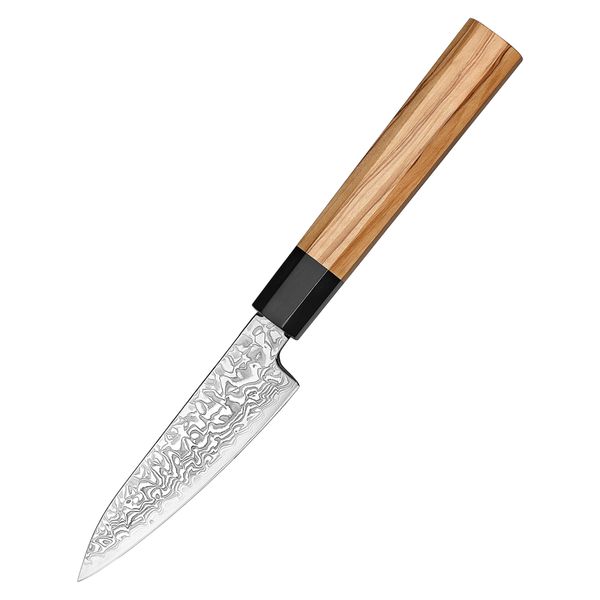
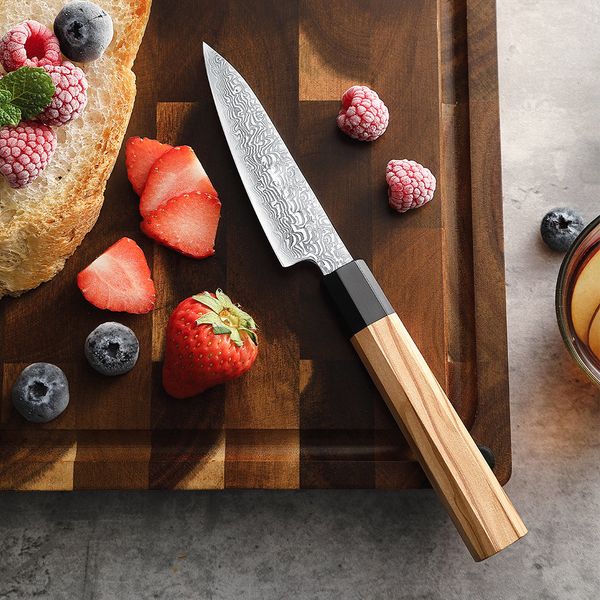
KAYA
Paring knife
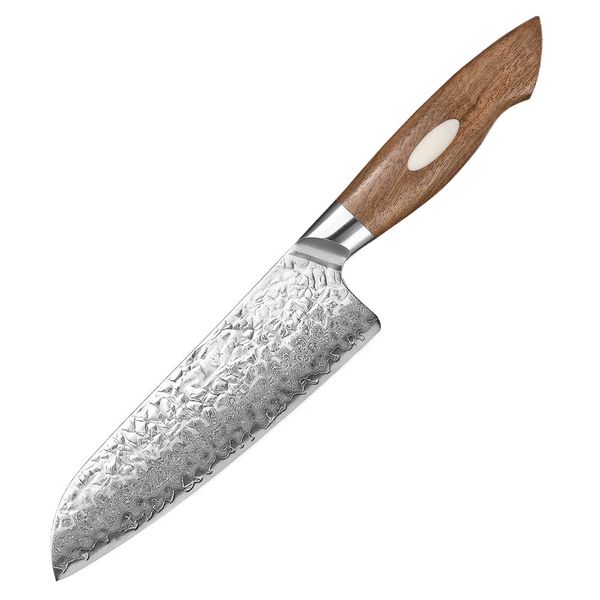
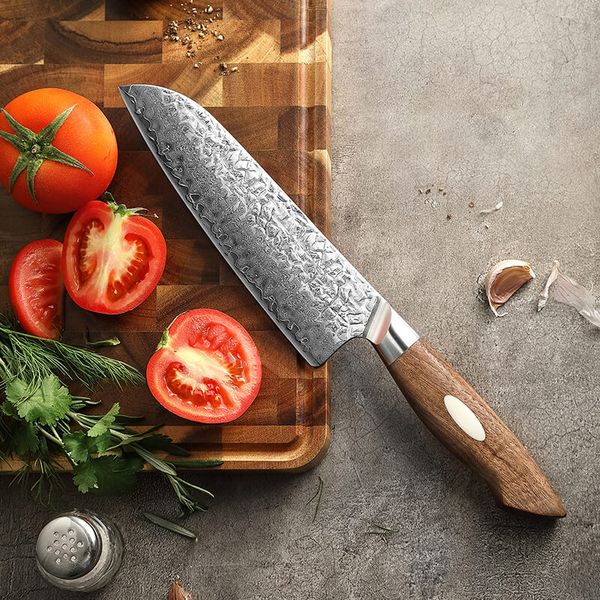
DAIKI
Santoku knife
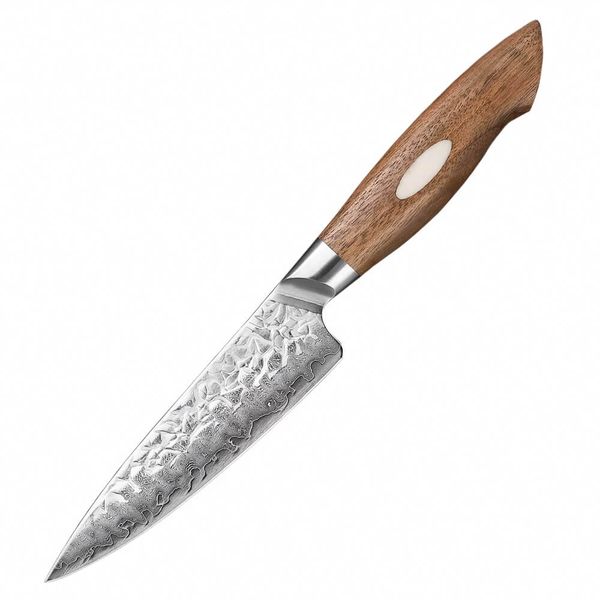
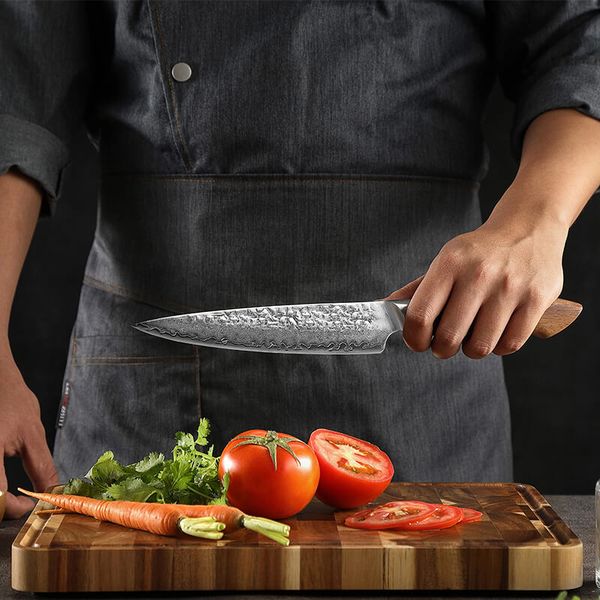
DAIKI
Utility knife
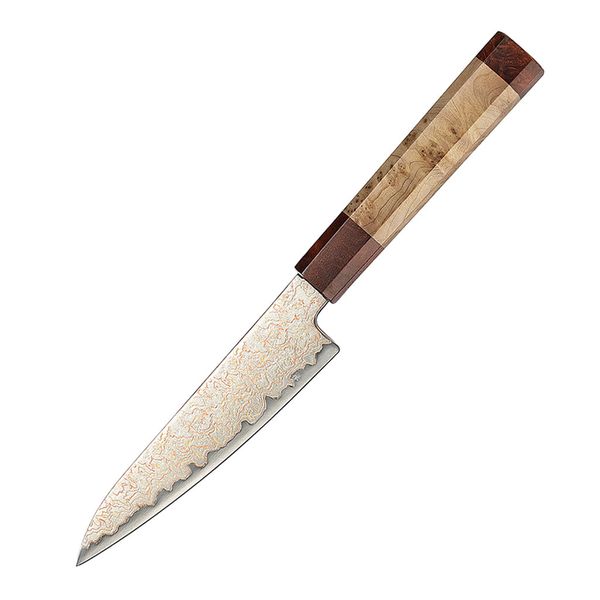
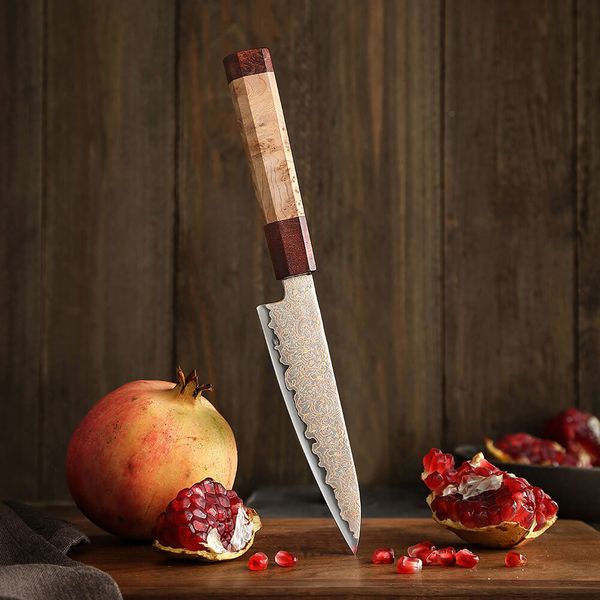
HIIRO
Utility knife
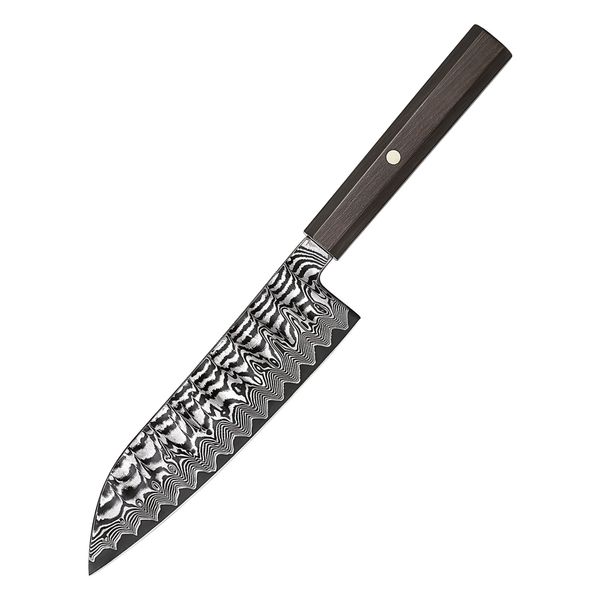
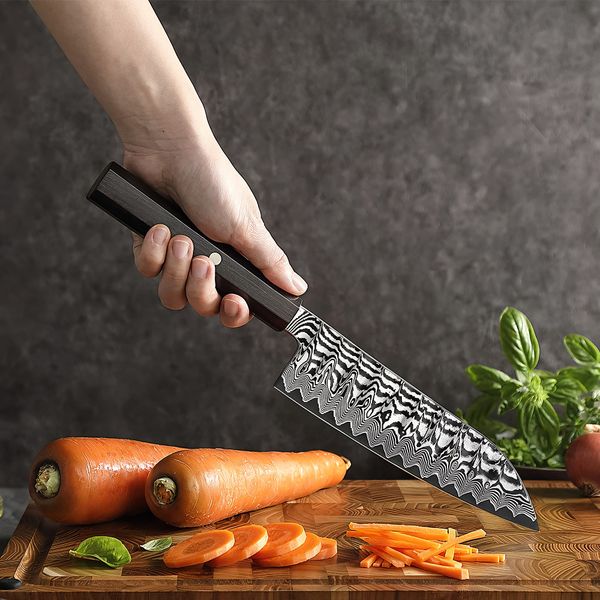
NAMI
Santoku knife
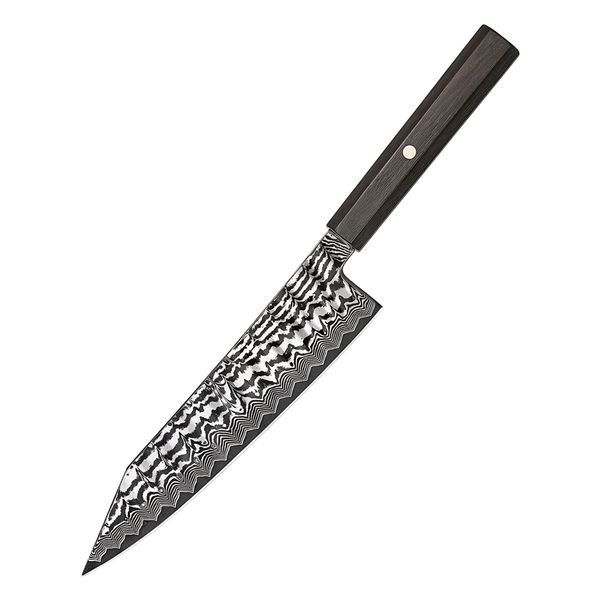
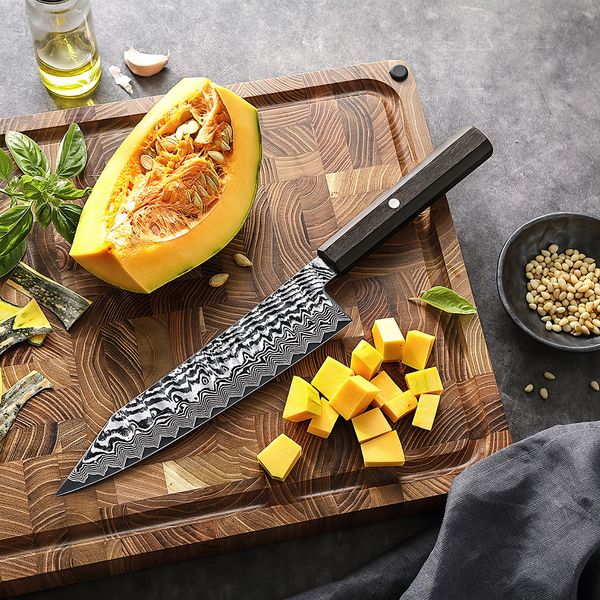
NAMI
Bunka knife
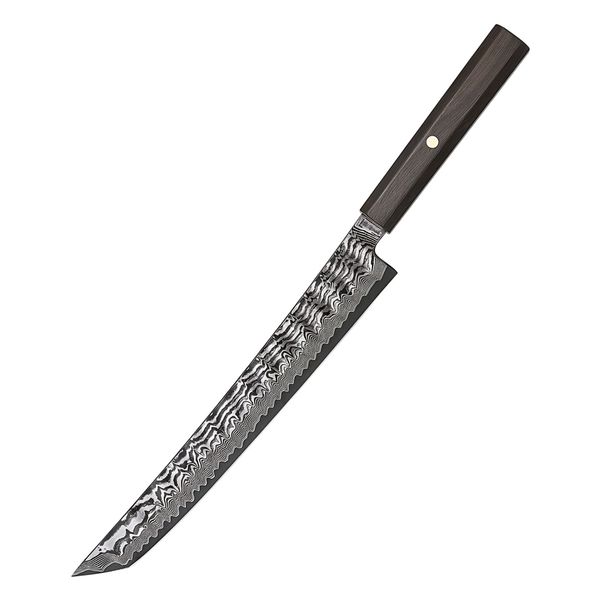
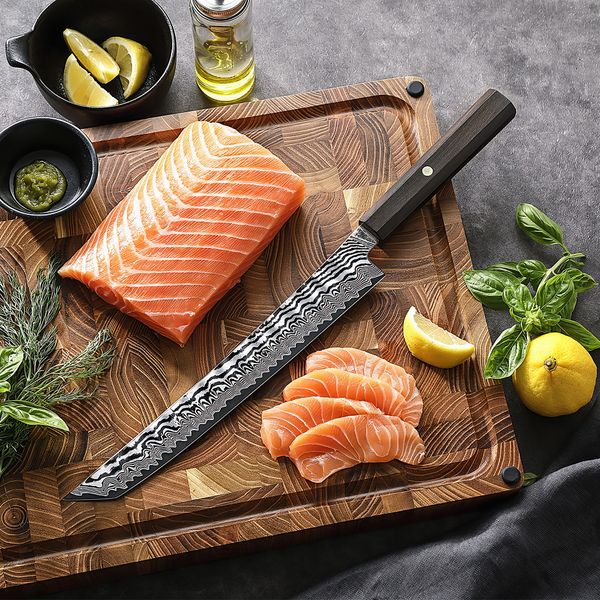
NAMI
Sakimaru knife
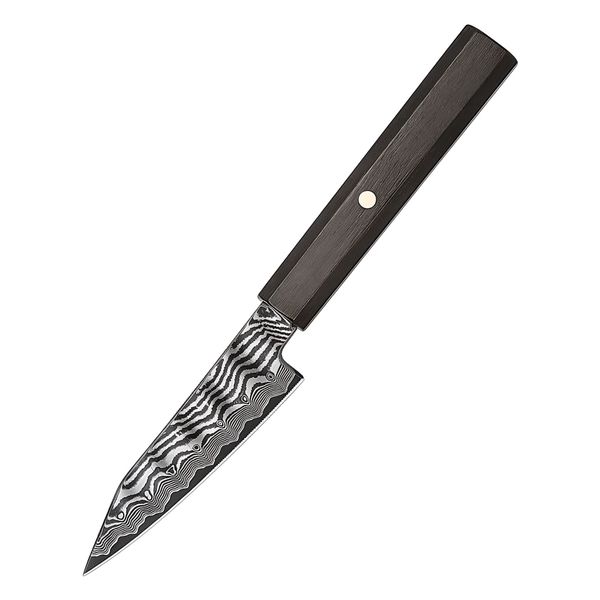
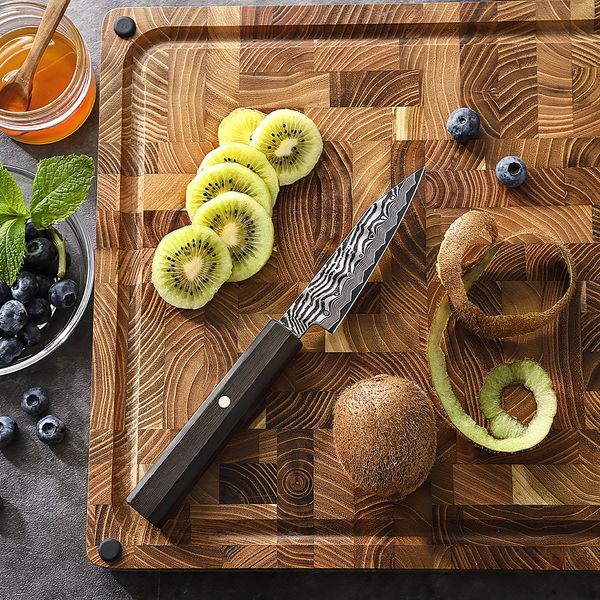
NAMI
Paring knife
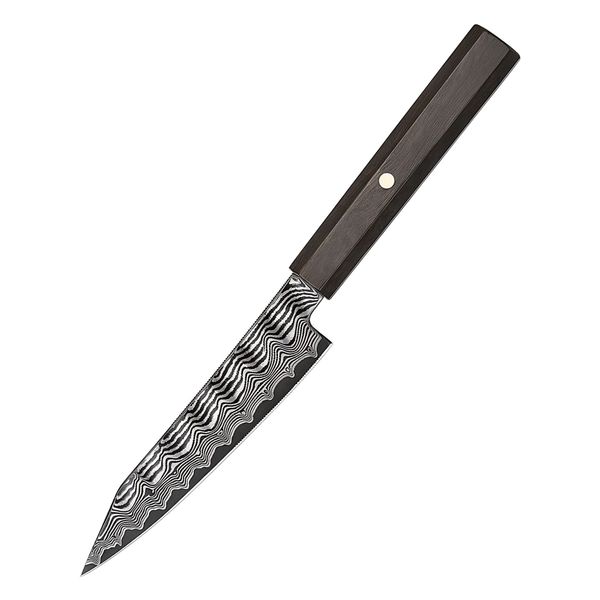
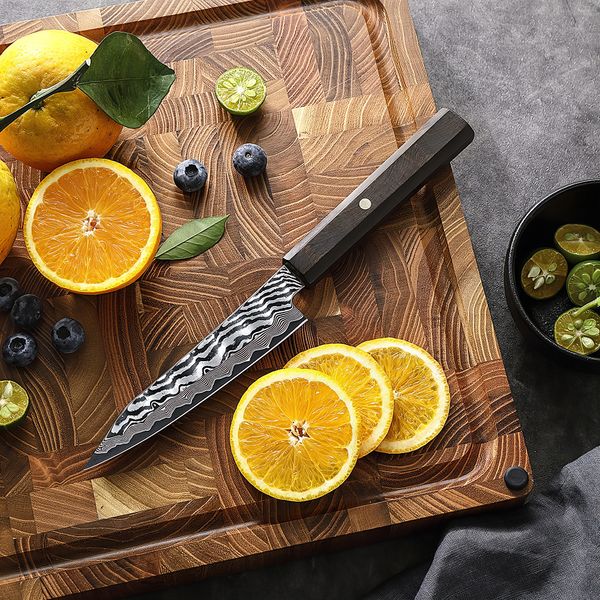
NAMI
Utility knife
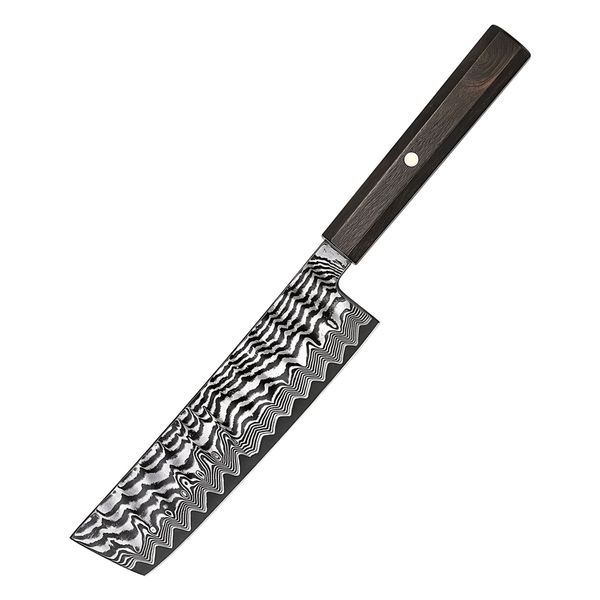
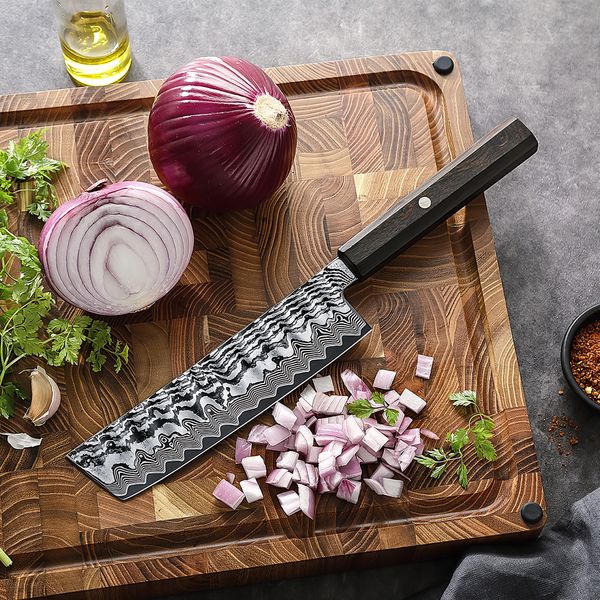
NAMI
Nakiri knife
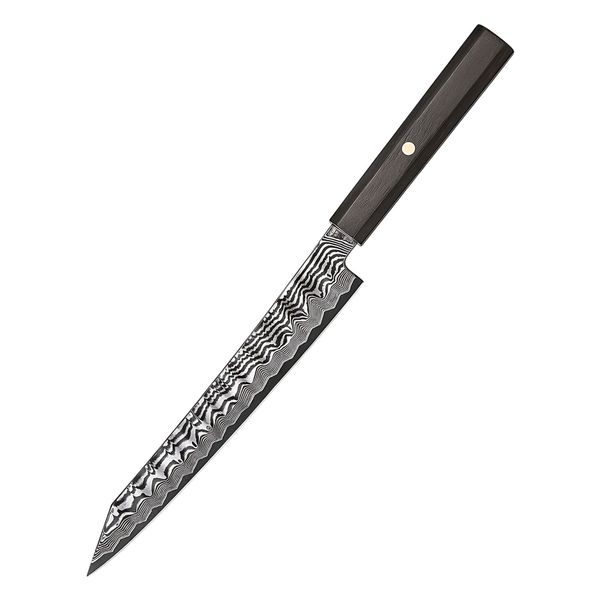
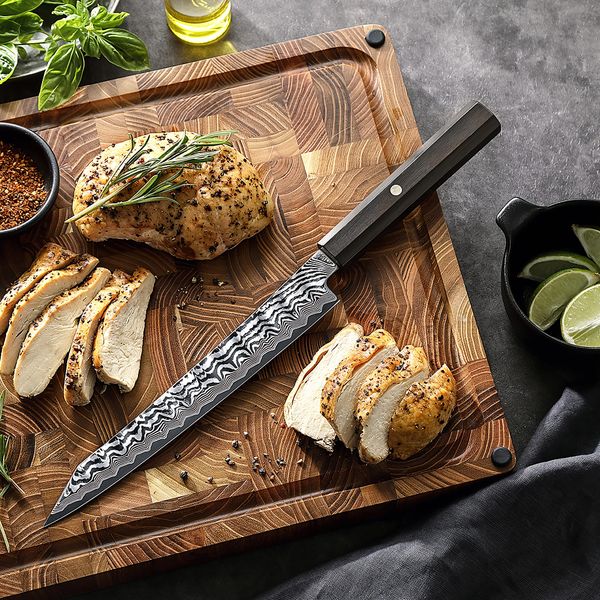
NAMI
Carving knife
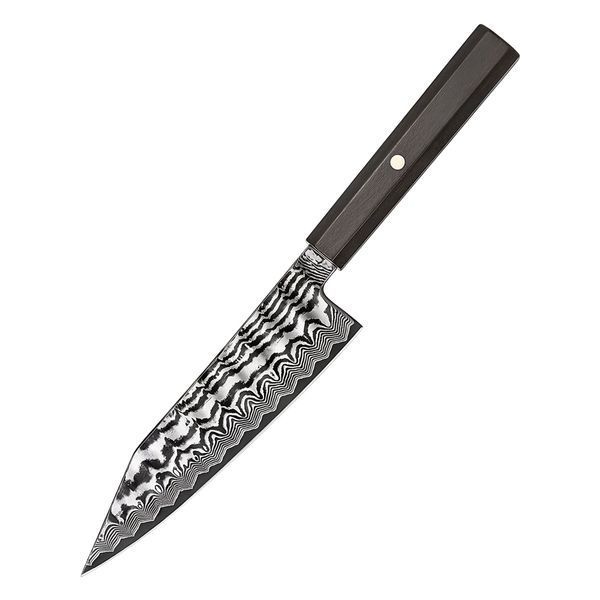
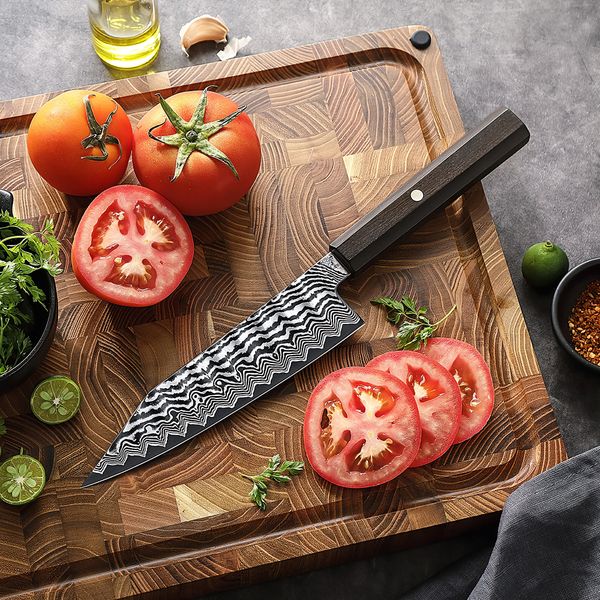
NAMI
Small bunka knife
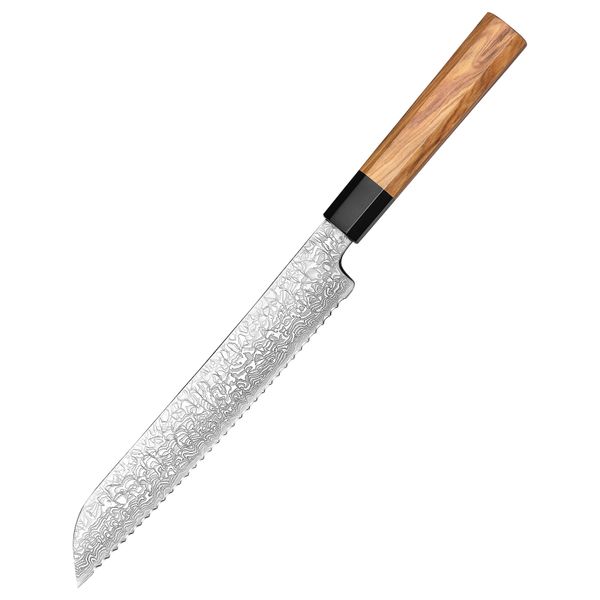
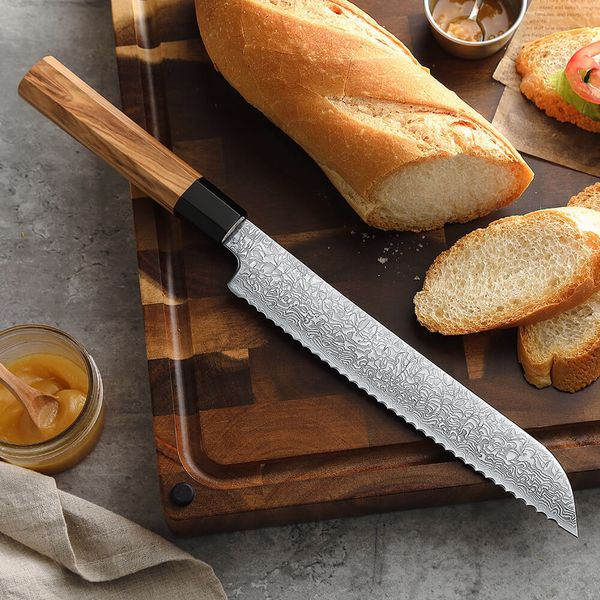
KAYA
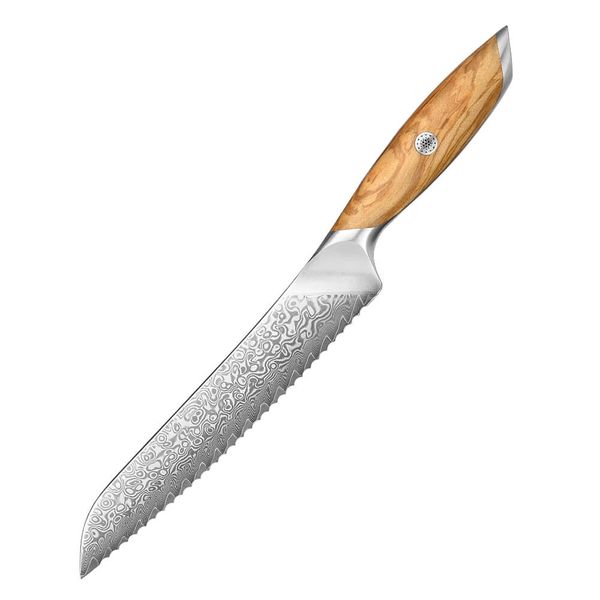
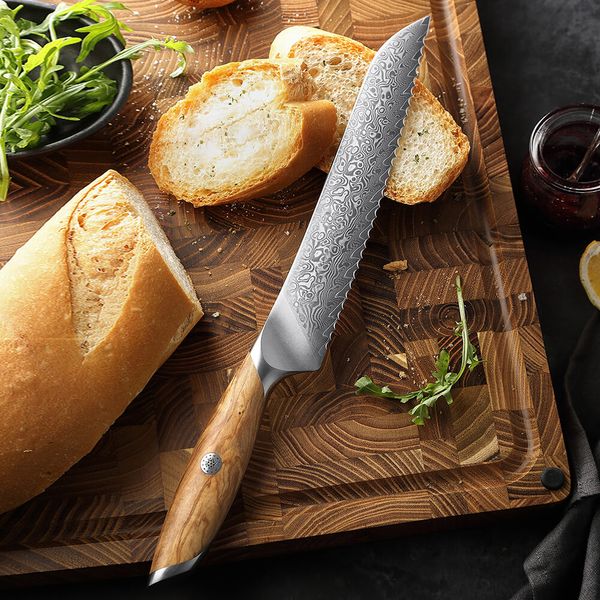
Bread knife
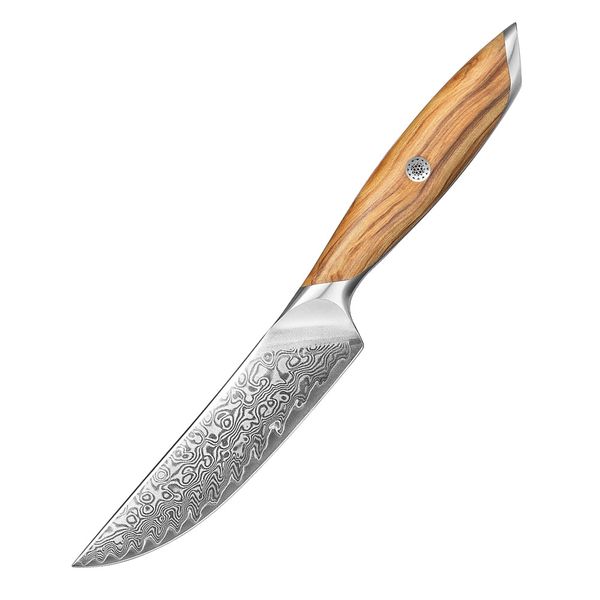
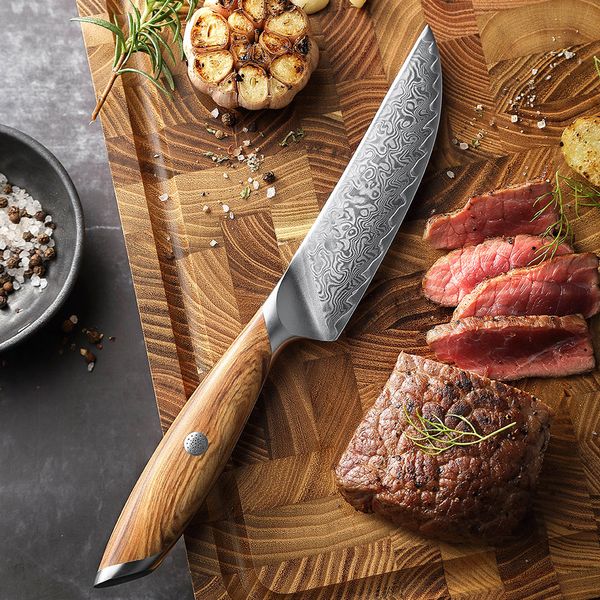
ORIBU
Steak knife
ORIBU
Bread knife
UN-RYU
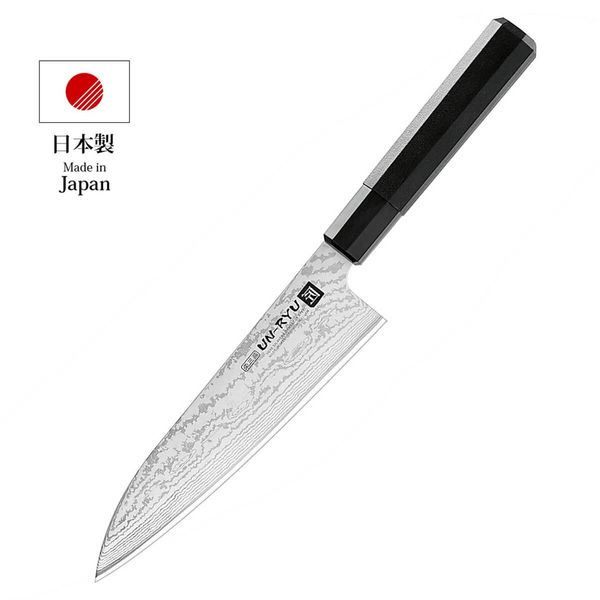
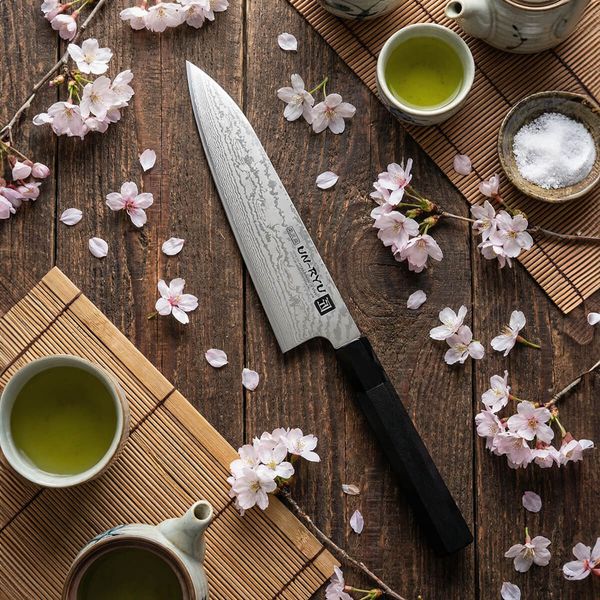
Japanese santoku knife
Page 1 of 2 · 35 products
Guide
Damascus kitchen knives
Which kitchen knife do you need?
Every type of knife has its strength. Before you buy, it's worth thinking about what you cut most often:
- Santoku knife: the all-rounder for vegetables, meat and fish, handy with a wide blade.
- Chef's knife: the classic main knife with a long, tapering blade for the rocking cut.
- Bunka knife: a versatile chef's knife with a straight edge and angled tip.
- Nakiri knife: the vegetable knife with a straight, rectangular blade.
- Bread knife: serrated for crisp crust and soft crumb.
- Utility knife and paring knife: the little helpers for fruit, vegetables and everything in between.
- Fillet knife, carving knife and steak knife: specialists for fish, roasts and the dinner table.
What makes a good kitchen knife
The steel. Hardness is given in HRC (Rockwell). Our blades range from 60 to 62 HRC: hard enough to stay sharp for a long time and tough enough for everyday use. Softer supermarket knives are often only 53 to 56 HRC and need sharpening much more often.
The bevel. A fine bevel of around 15 degrees per side glides more easily through tomato skin or onions than the thicker edges of many standard knives.
Handle and balance. A knife has to feel good in the hand. Make sure the balance point is roughly where the blade meets the handle: then your hand won't tire even during longer prep sessions.
Damascus kitchen knives: beautiful and sharp
In a damascus blade, many layers of steel are joined together. Depending on the series, our blades have 37 to 73 layers, usually around a hard steel core. The core provides the sharpness; the outer layers protect it and create the typical pattern that makes every knife one of a kind.
The series differ mainly in their handles: KAYA with olive wood and buffalo horn, ORIBU with olive wood, DAIKI with walnut, BLACK with black G10, NAMI with ebony and HIIRO with sycamore maple and a blade of steel, copper and brass.
Comparing kitchen knives: what to look for
Many comparisons only look at price. For everyday use, other things count more:
- Hardness and edge retention: from about 60 HRC the blade stays noticeably sharper for longer.
- Blade length: 17 to 21 cm is ideal for a main knife, 9 to 14 cm for small jobs.
- Handle material: wood feels warm and needs a little oil now and then; G10 is especially low-maintenance.
- Resharpening: a good knife can be brought back to razor sharpness on a whetstone.
- Service: with us you get a 30-day money-back guarantee and a 5-year warranty on every knife.
The basic kit: three knives go a long way
Three knives are enough for most kitchens: a large knife (santoku or chef's knife), a small one (utility or paring knife) and a bread knife. If you want everything matching right away, our knife sets bring together the knives of one series.
Caring for kitchen knives properly
Wash your knives by hand in warm water and dry them straight away: the dishwasher damages edge and handle. Cut on wood or plastic rather than glass or stone, and store the knives in a block, on a magnetic strip or with a blade guard. A whetstone brings the edge back into shape every few months.
Professional kitchen knives for home
What makes a professional kitchen knife? Above all three things: hard steel that holds its edge, a fine bevel and good balance. That's exactly what our knives are designed for. As an all-purpose kitchen knife for almost everything, the santoku knife and the chef's knife are ideal: they're the quality knife you'll reach for every day.
Japanese-style kitchen knives
Santoku, nakiri and bunka are knife shapes from Japan. Our knives in these shapes are inspired by Japanese knives: thin, hard blades with a fine bevel, combined with handles of olive wood, walnut, ebony or G10. If you prefer the rocking cut, the chef's knife gives you the classic European shape.
Sharpening kitchen knives: the right angle
A whetstone is the best tool for sharpening kitchen knives. The sharpening angle for our kitchen knives is about 15 degrees per side, flatter than the 20 degrees of many standard knives, which is why they cut so finely. Between sharpenings, a honing steel keeps the edge in shape: honing realigns the fine edge, sharpening removes new material.
Storing kitchen knives
When storing knives, the rule is: the edge must not touch anything. A magnetic knife strip or a knife block is ideal. Loose in a drawer, kitchen knives quickly get blunt, and reaching in is dangerous.
Frequently asked questions
Which kitchen knife is best for everyday use?
For most people a santoku knife or a chef's knife with a 17 to 21 cm blade is the best choice. It cuts vegetables, meat, fish and herbs. Add a small utility knife and a bread knife and you're ready for almost anything.
Are damascus kitchen knives stainless?
Many of our series have stainless outer layers, and the hard core resists rust well. Still: wash by hand, dry straight away and don't leave them wet, and the blade will stay beautiful for many years.
What does HRC mean for kitchen knives?
HRC stands for Rockwell hardness. The higher the value, the longer the edge lasts. Our knives are 60 to 62 HRC, simple kitchen knives often 53 to 56 HRC.
Can I put kitchen knives in the dishwasher?
Please don't. Heat, harsh detergents and rattling in the basket blunt the edge and damage wooden handles. A quick rinse by hand and a dry only takes a moment.
How often do I need to sharpen my kitchen knives?
That depends on how often you cook. With daily use, it's usually enough to resharpen the blade on a whetstone every two to three months.