Series
KAYA
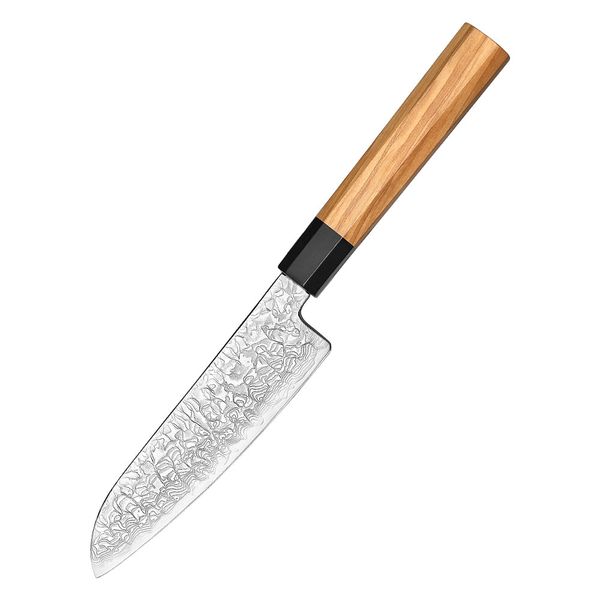
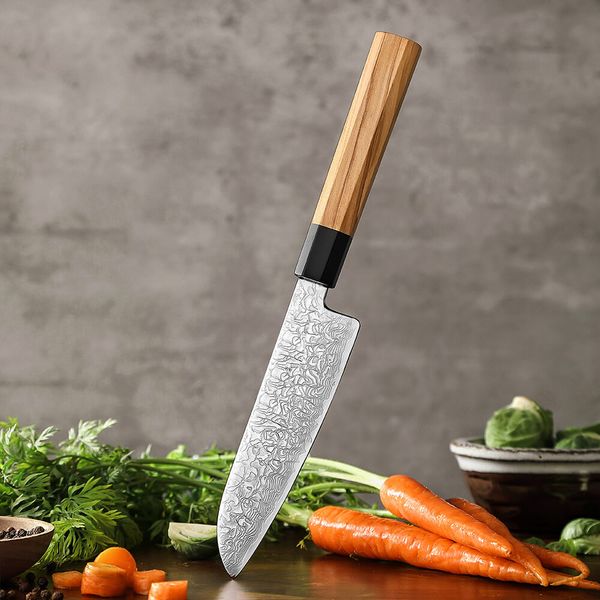
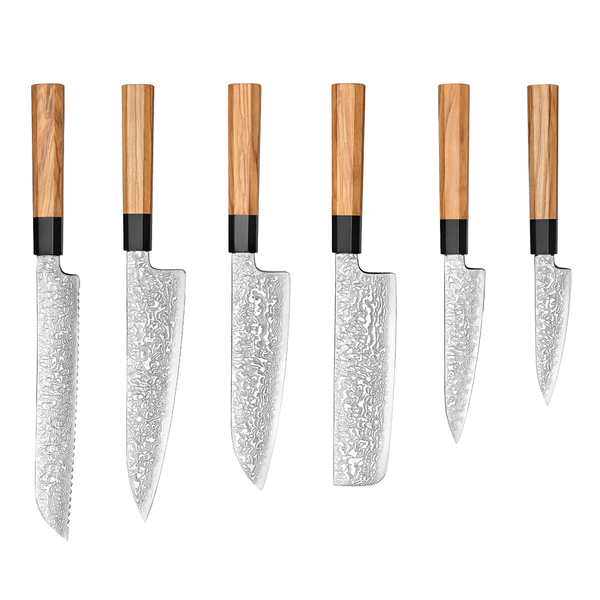
Clean lines, olive wood and buffalo horn: KAYA pairs an angular handle with blades of 67-layer damascus steel. The series runs from the small paring knife through santoku and chef's knife to the 6-piece Professional set.
11 products
KAYA
Small santoku knife
KAYA
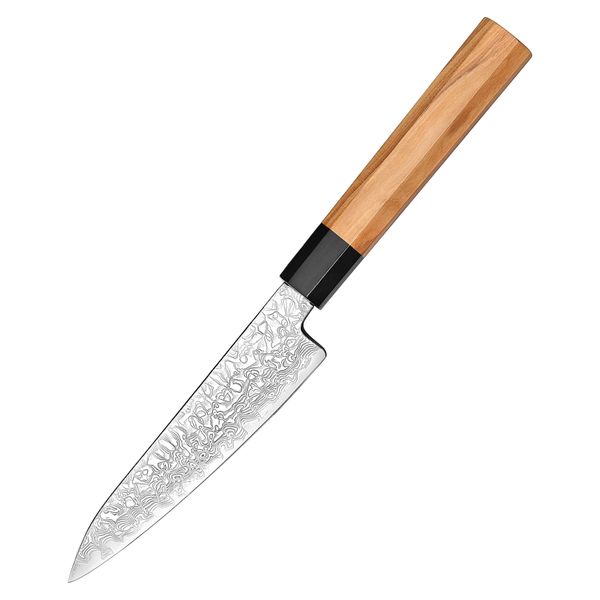
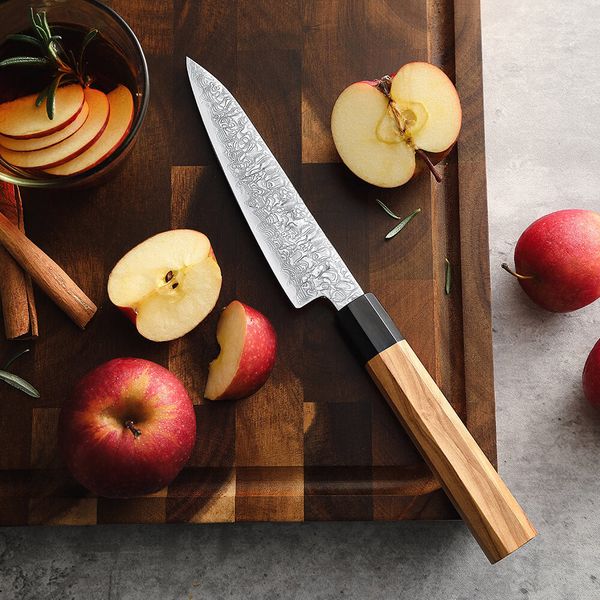
Utility knife
KAYA
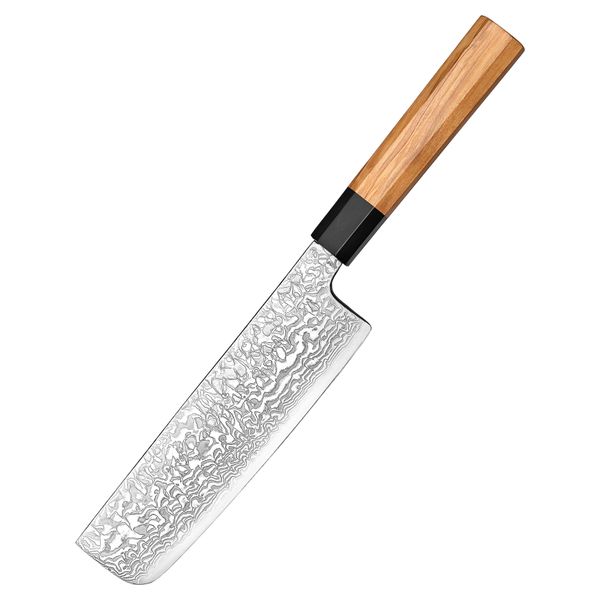
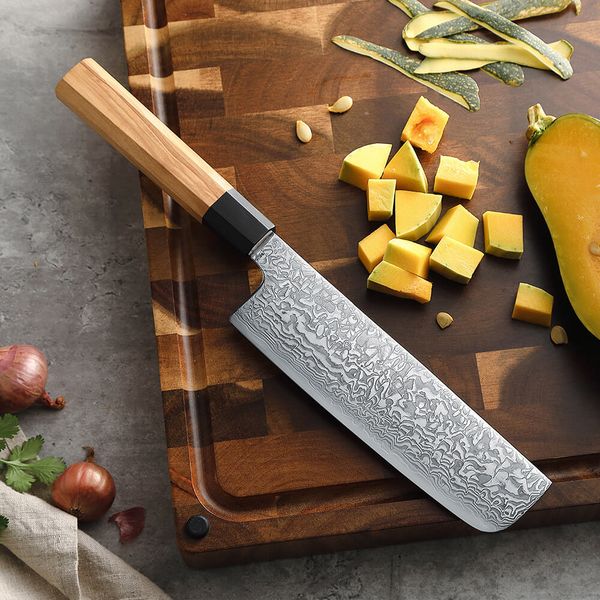
Nakiri knife
KAYA
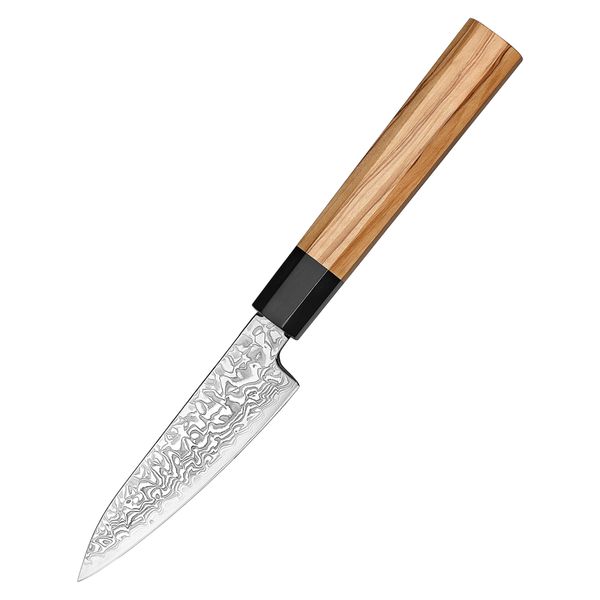
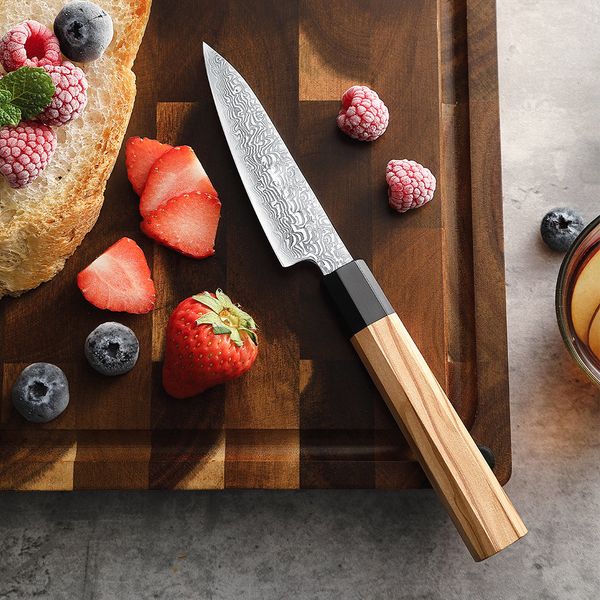
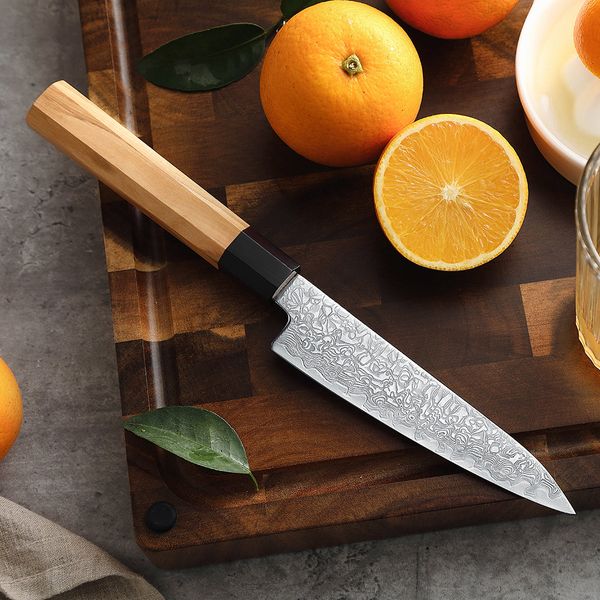
Paring knife
KAYA
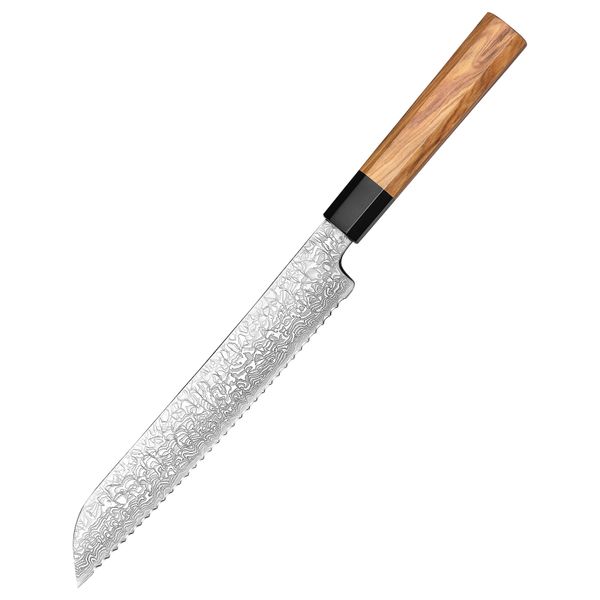
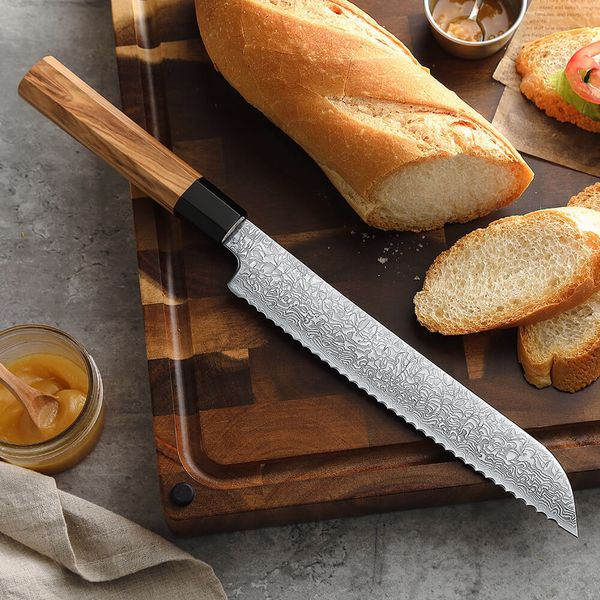
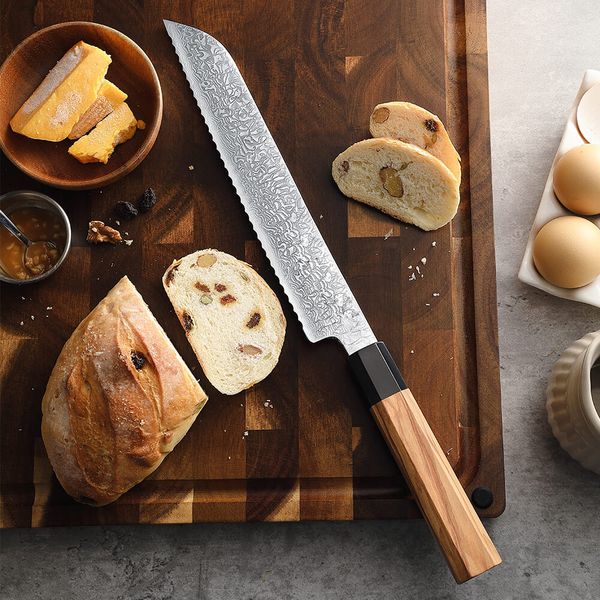
Bread knife
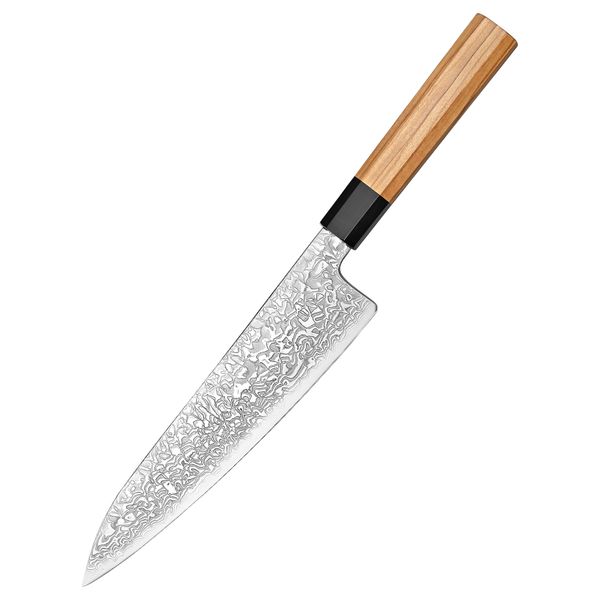
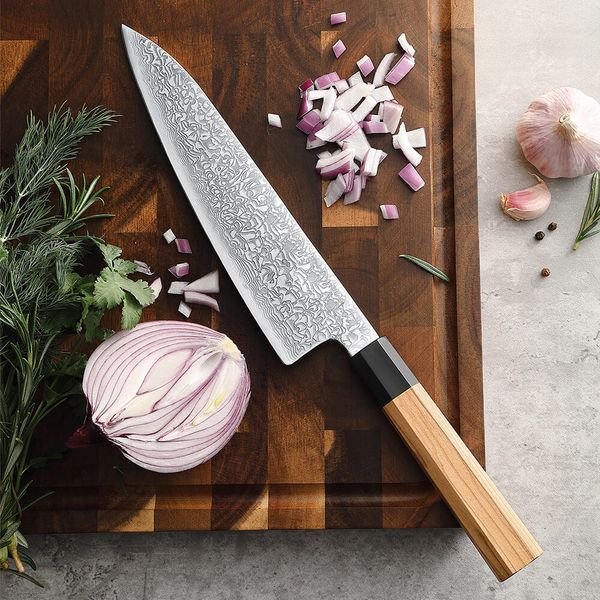
KAYA
Chef's knife
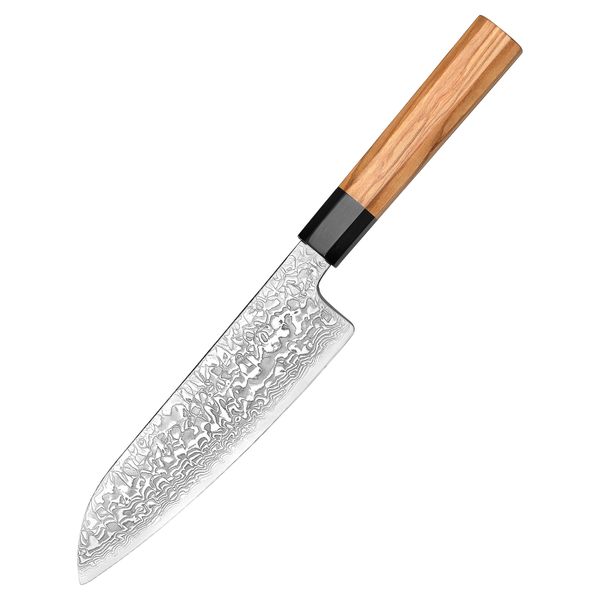
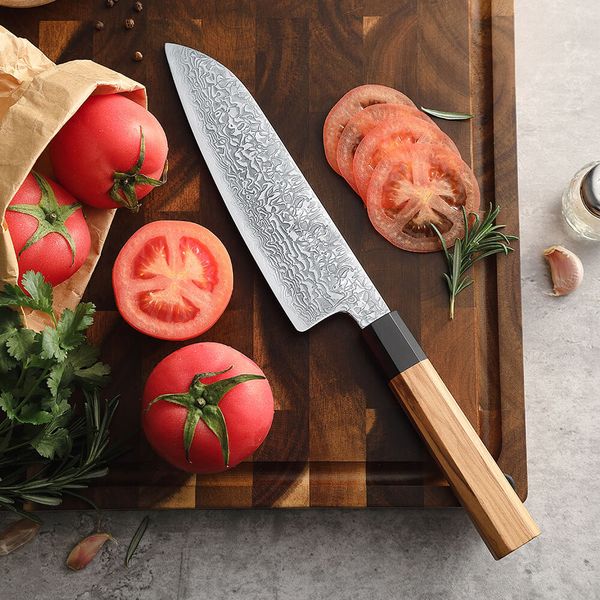
KAYA
Santoku knife
KAYA
6-piece Professional set
KAYA
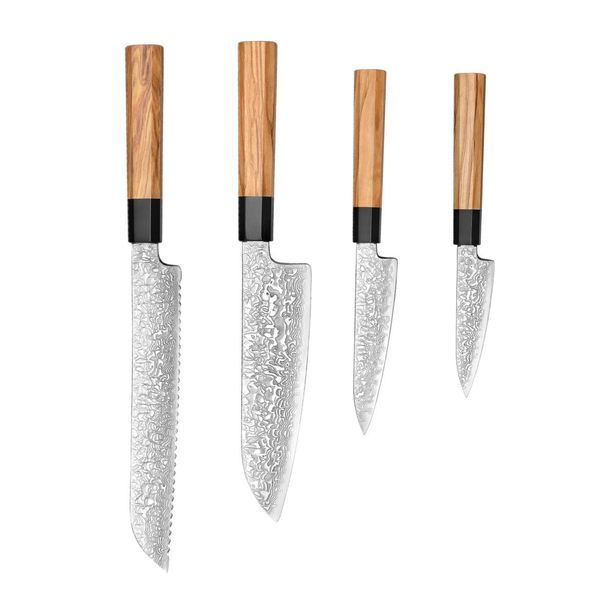
4-piece Advanced set
KAYA
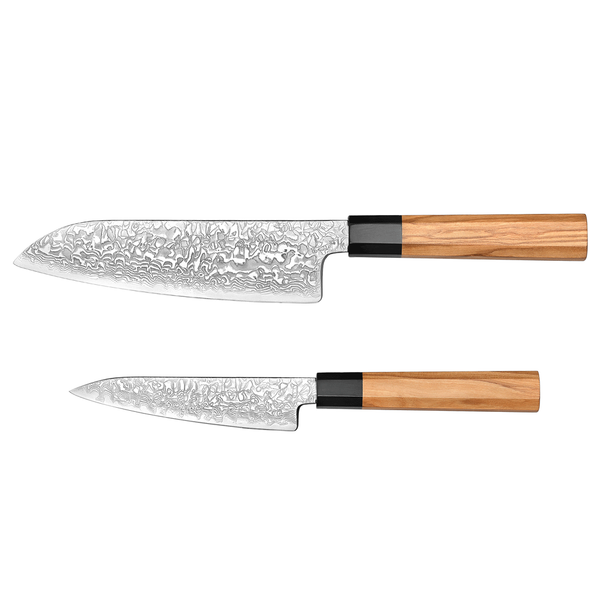
2-piece Starter set
KAYA
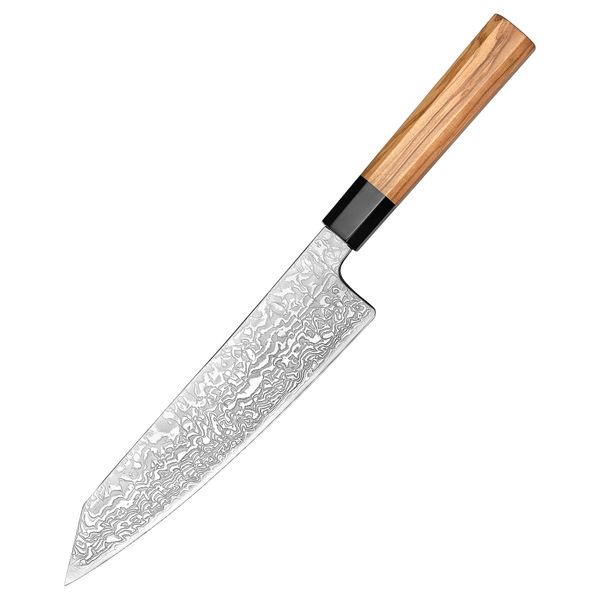
Bunka knife
Guide
KAYA
KAYA: clean shape, olive wood and buffalo horn
KAYA stands for understated design: an angular olive wood handle finished with buffalo horn, combined with blades of 67-layer damascus steel. It's one of the most extensive series at Damastchef, from the small paring knife to the 6-piece set.
What sets KAYA apart
- 67 layers of damascus steel with a steel core, outer layers of stainless 316L steel.
- 60 ± 2 HRC for a long-lasting edge.
- 15° double bevel, for left- and right-handers. The bread knife has a 30° bevel.
- Olive wood and buffalo horn handle with a distinctive angular shape.
The knives in the series
For everyday cooking, the santoku knife and the chef's knife are the first choice. If you cut a lot of vegetables, go for the nakiri knife or the bunka knife with its angled tip. The small santoku knife is a handy alternative to the large santoku. For fine work there's the utility knife and the paring knife, plus a bread knife.
KAYA is available as a set of two, four or six knives: 2-piece Starter set, 4-piece Advanced set and 6-piece Professional set.
Care and storage
Damascus knives don't belong in the dishwasher. After cutting, rinse the blade briefly with warm water and a little washing-up liquid and dry it straight away with a cloth. Cut on wooden or plastic boards: glass, stone and ceramic quickly dull any edge.
Store the knife so that the edge touches nothing: on a magnetic knife strip, in a knife block or with a blade guard. For resharpening, a fine-grit whetstone works well, and wooden handles appreciate an occasional drop of camellia oil.
Frequently asked questions about the KAYA series
Is KAYA stainless?
The outer layers are stainless 316L steel. Even so, as with any quality knife: wash by hand and dry straight away, and the blade will stay beautiful for good.
What's the difference between the santoku and the small santoku?
The large santoku knife has a 185 mm blade, the small one 140 mm. The small one feels a little lighter in the hand and is great for smaller quantities or as a second knife.
Who is the bunka knife for?
For anyone who cuts a lot of vegetables and likes a wide blade. The angled tip makes fine cuts easier, for example with onions or herbs.