Kitchen knife test: what really matters
No test winner, but the eight criteria that make a good kitchen knife – and how to test a knife yourself at home.
4 min read · 10 November 2026
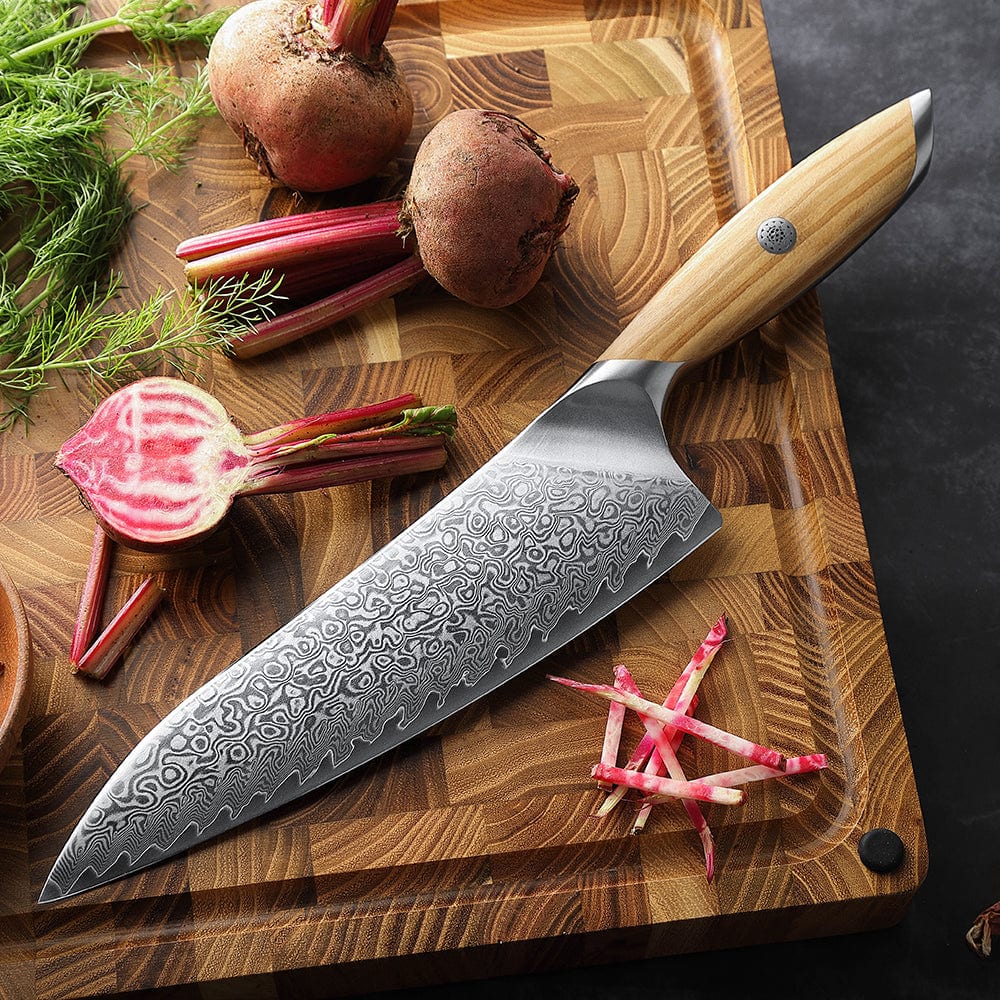
Anyone looking for the best kitchen knife soon comes across test winners, comparison tables and top-ten lists. The results often contradict each other – because every test has different priorities, and because a knife that sits well in someone else's hand doesn't automatically suit you.
To be transparent from the start: we are a knife retailer, not a testing institute. So there is no test winner here, but rather the eight criteria that, in our experience, really matter – and instructions for testing a knife yourself.
1. Steel and hardness
Hardness is given in HRC (Rockwell) and is the best indication of how long a knife stays sharp. Many ordinary kitchen knives are around 53 to 56 HRC and need resharpening often. From about 60 HRC, the edge lasts noticeably longer. In Damascus knives, a hard core usually carries the edge, surrounded by many layers of steel.
2. Edge angle and factory sharpness
A fine edge of about 15 degrees per side cuts more easily than the thicker 20 to 25 degrees of many standard knives. A good knife is so sharp out of the box that it slices cleanly through paper.
3. Edge retention
Sharpness alone says little – what counts is how long it lasts. That depends mainly on the steel and its hardness. A hard knife, treated properly, stays sharp for two to three months of daily use before it needs the whetstone.
4. Balance and weight
Balance the knife on one finger where the handle meets the blade. If the centre of gravity is there or just in front of it, it's well balanced and won't tire your hand. Whether you prefer a light or a heavier knife is a matter of taste – light ones are nimble, heavier ones cut through firm food with less effort.
5. Handle
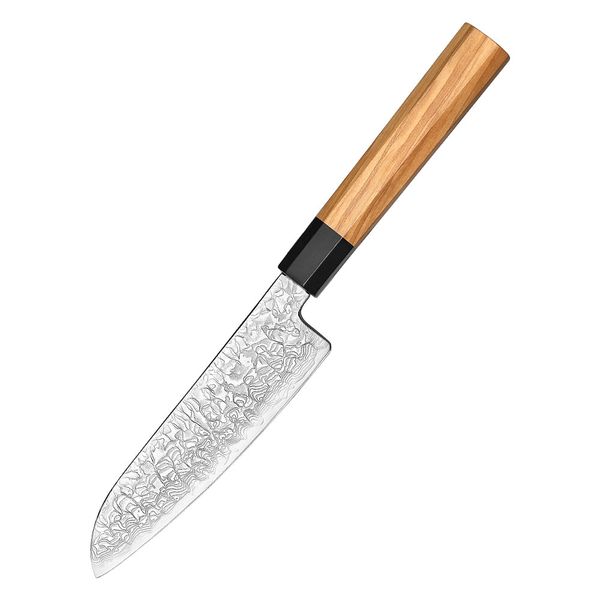
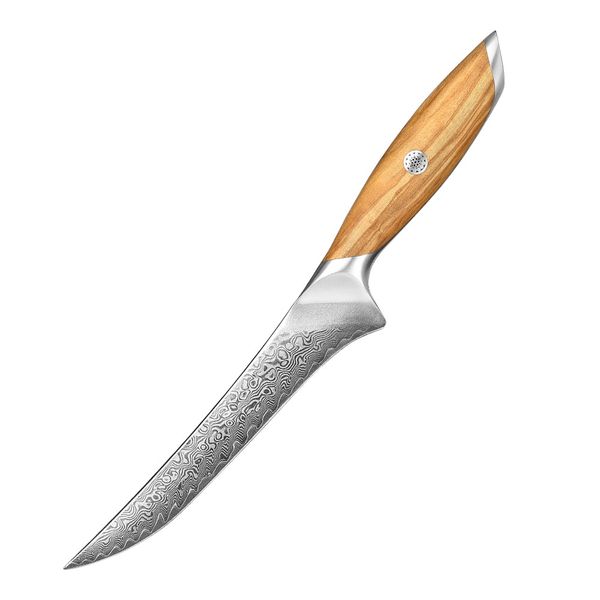
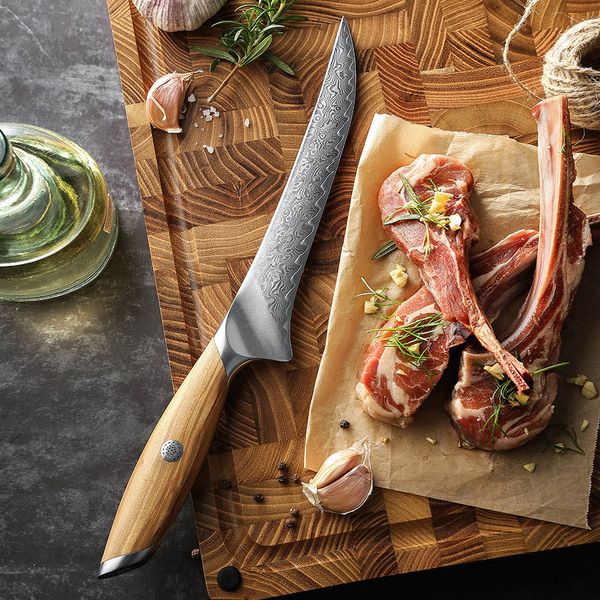
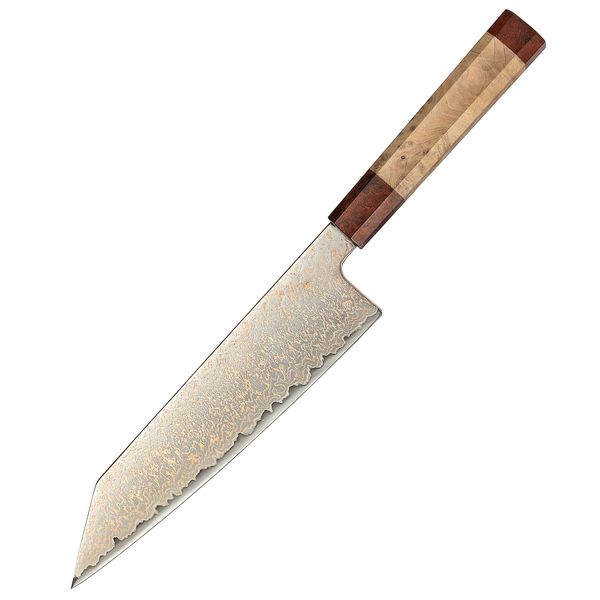
The handle should feel secure in your hand, even when wet. Wood such as olive wood or walnut feels warm and needs a little oil now and then. G10 and other composites are particularly low-maintenance and don't absorb water. Look for clean transitions without gaps where dirt could collect.
6. Blade shape and length
The best knife is the one that suits the way you cook:
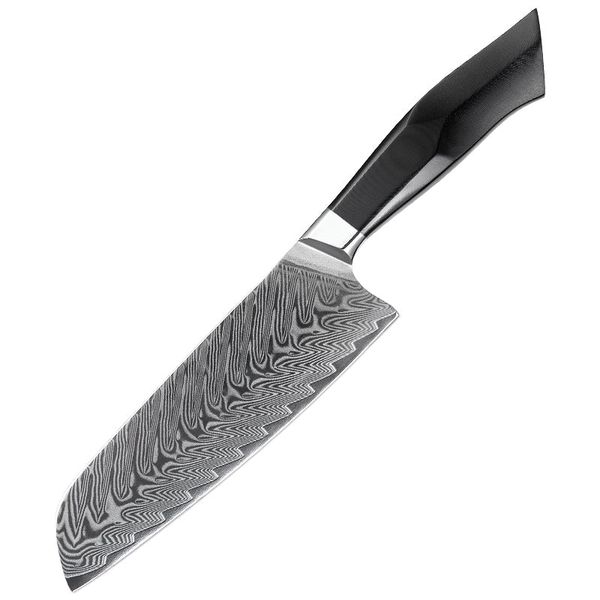
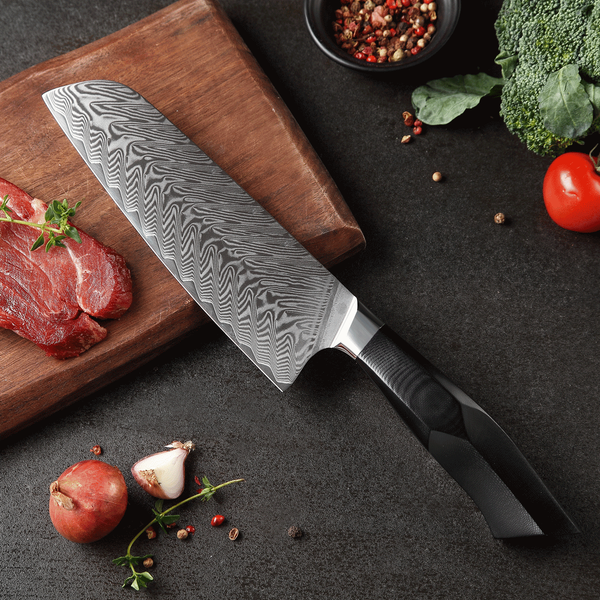
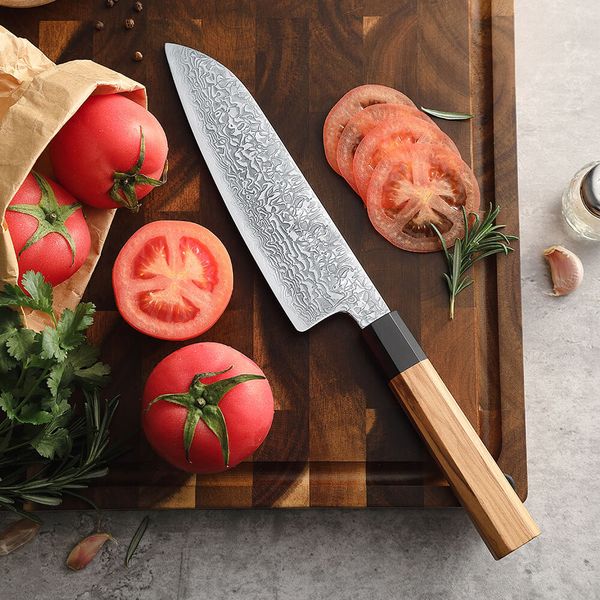
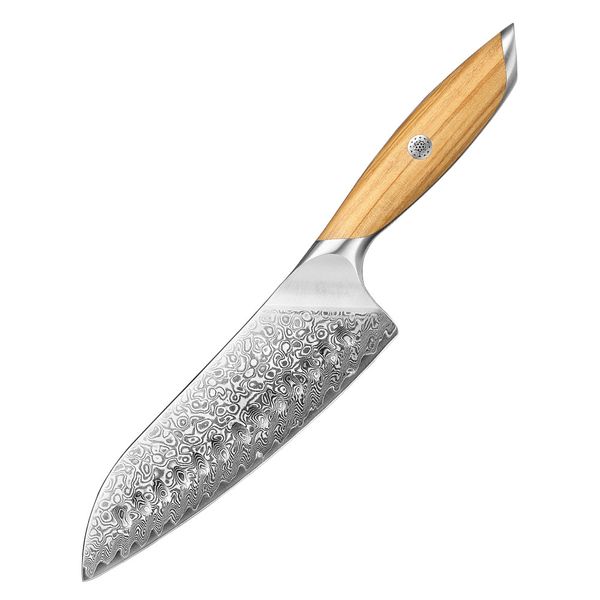
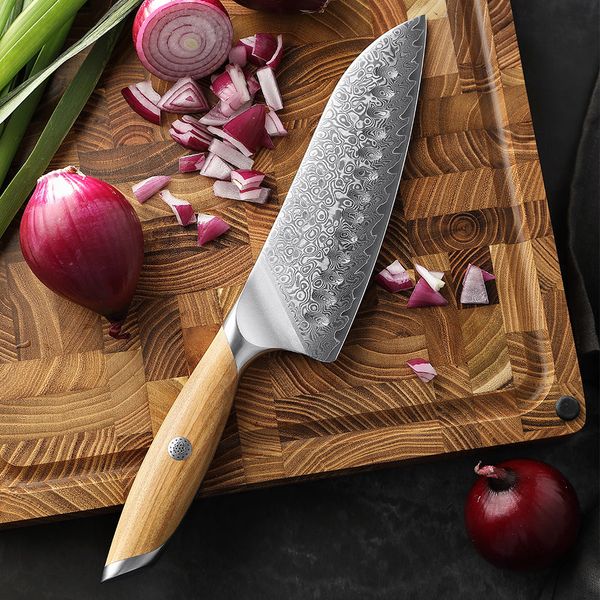
- Santoku knife: the all-rounder with a wide blade for straight cuts.
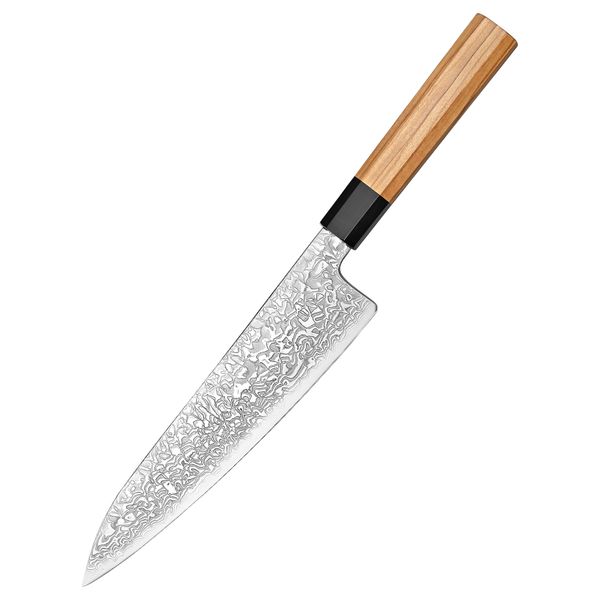
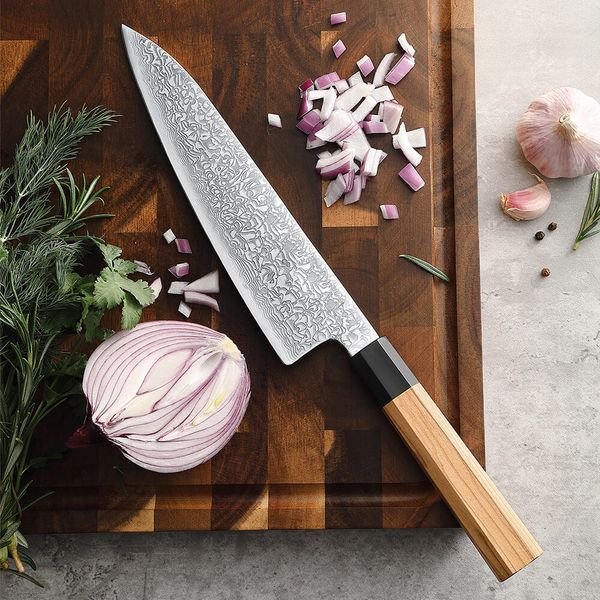
- Chef's knife: long, curved edge for the rocking cut.
- Nakiri knife: straight blade, specialised in vegetables.
For a main knife, 17 to 21 cm is ideal; for small jobs, 9 to 14 cm.
7. Care and resharpening
A good knife can be made razor-sharp again and again on a whetstone. Serrated knives or ones that promise "never needs sharpening", on the other hand, can hardly be resharpened. We show you how in our guide to sharpening knives.
8. Price, guarantee and returns
A good kitchen knife doesn't have to cost a fortune, but very cheap knives almost always skimp on the steel. Look for a fair guarantee and the chance to try the knife at home at your leisure. With us you get a 30-day money-back guarantee and a 5-year guarantee.
How to test a kitchen knife at home
Paper test: hold a sheet of printer paper by one corner and cut into it from top to bottom. A sharp knife glides through smoothly, a blunt one tears the paper.
Tomato test: rest the blade on a tomato without pressure and pull it back slightly. A sharp knife bites into the skin immediately.
Onion test: dice an onion finely. A good knife cuts cleanly without squashing – your eyes water less.
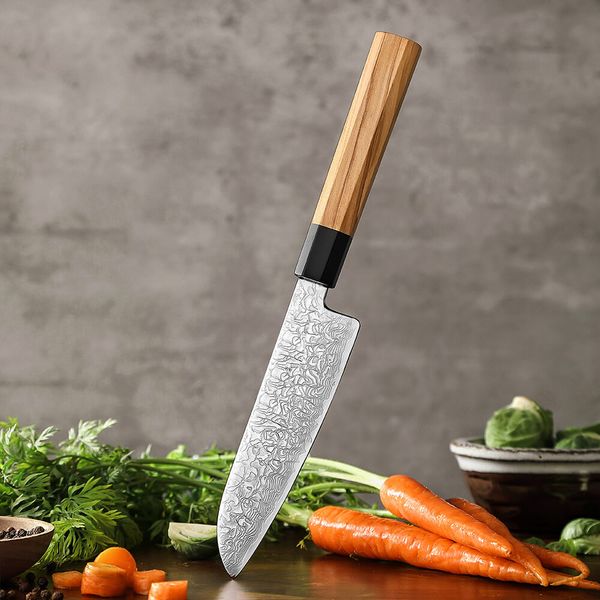
Carrot test: cut a thick carrot crosswise. If it snaps before the knife reaches the bottom, the blade is too thick. A thin blade glides through.
Feel in the hand: work with the knife for five minutes. If the handle presses anywhere or your hand gets tired, it isn't right for you.
Our recommendation for getting started
If you only buy one knife, choose a santoku or a chef's knife with a 17 to 21 cm blade. You can cut vegetables, meat, fish and herbs with it. Add a small utility knife and a bread knife and you're equipped for almost everything.
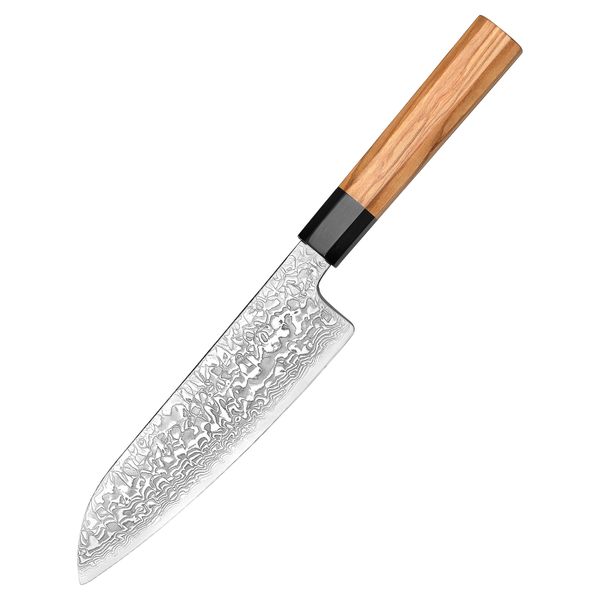
In the shop · KAYA
Santoku knife
€129,00
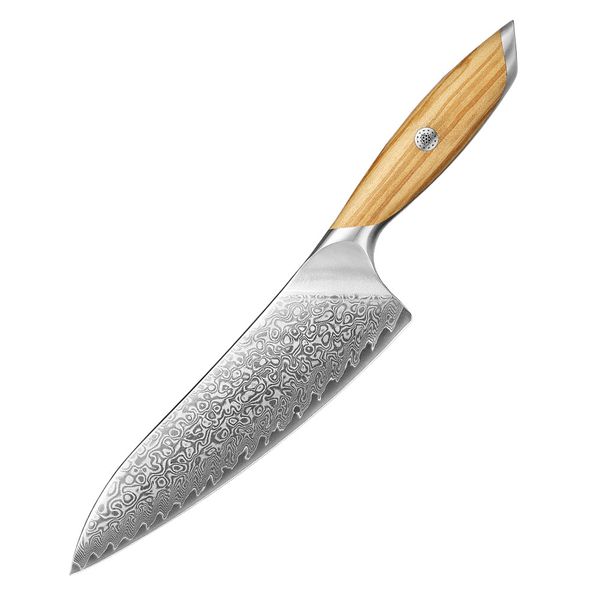
In the shop · ORIBU
Chef's knife
€169,00
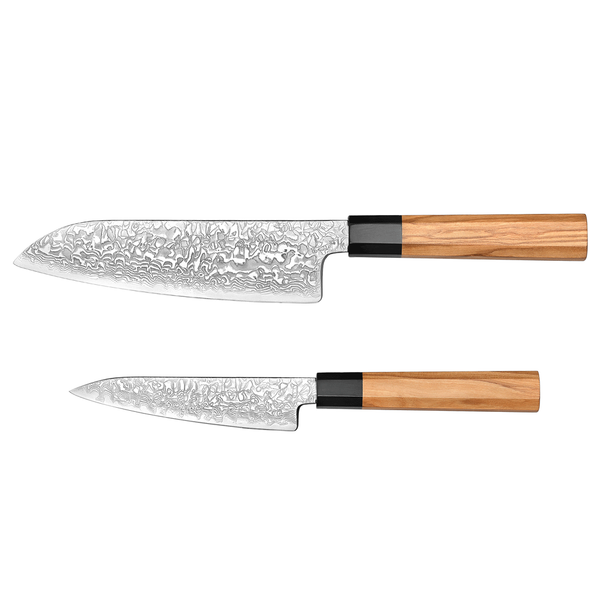
In the shop · KAYA
2-piece Starter set
€199,00
Matching in the shop