How to segment an orange: perfect supremes
Orange segments with no membrane in under two minutes: the five-step method, the right knife and tips for grapefruit, lime and lemon.
3 min read · 14 November 2026
Orange supremes – the individual segments with no membrane at all – are a small touch with a big effect: they instantly make fruit salads, desserts, fennel salad or duck à l'orange more refined. With a sharp knife and the right technique, an orange takes less than two minutes.
Here you'll find the five-step method, the right knives and tips for grapefruit, lime and lemon.
The right knife
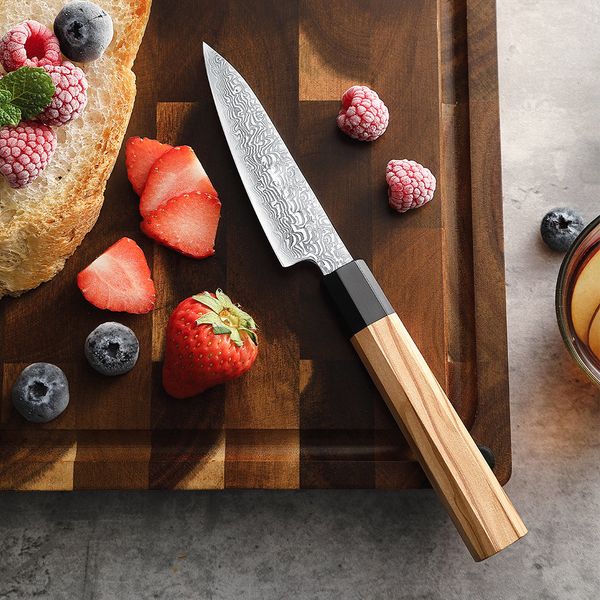
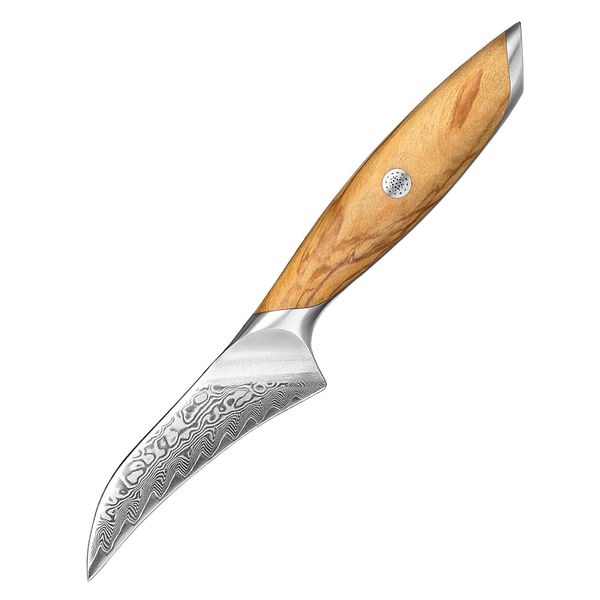
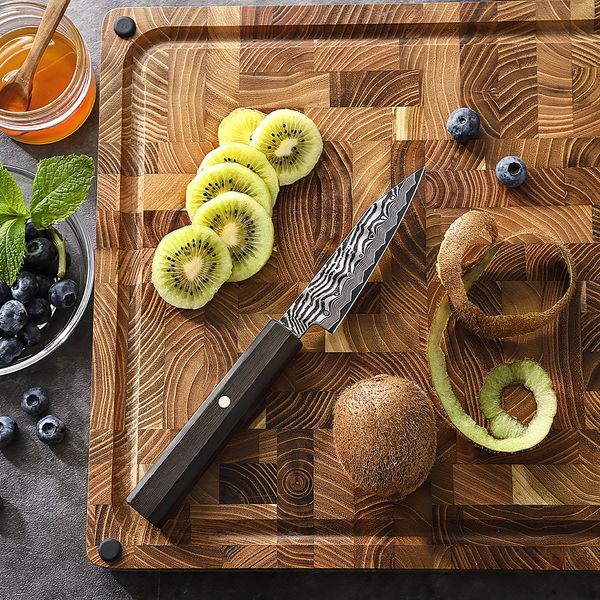
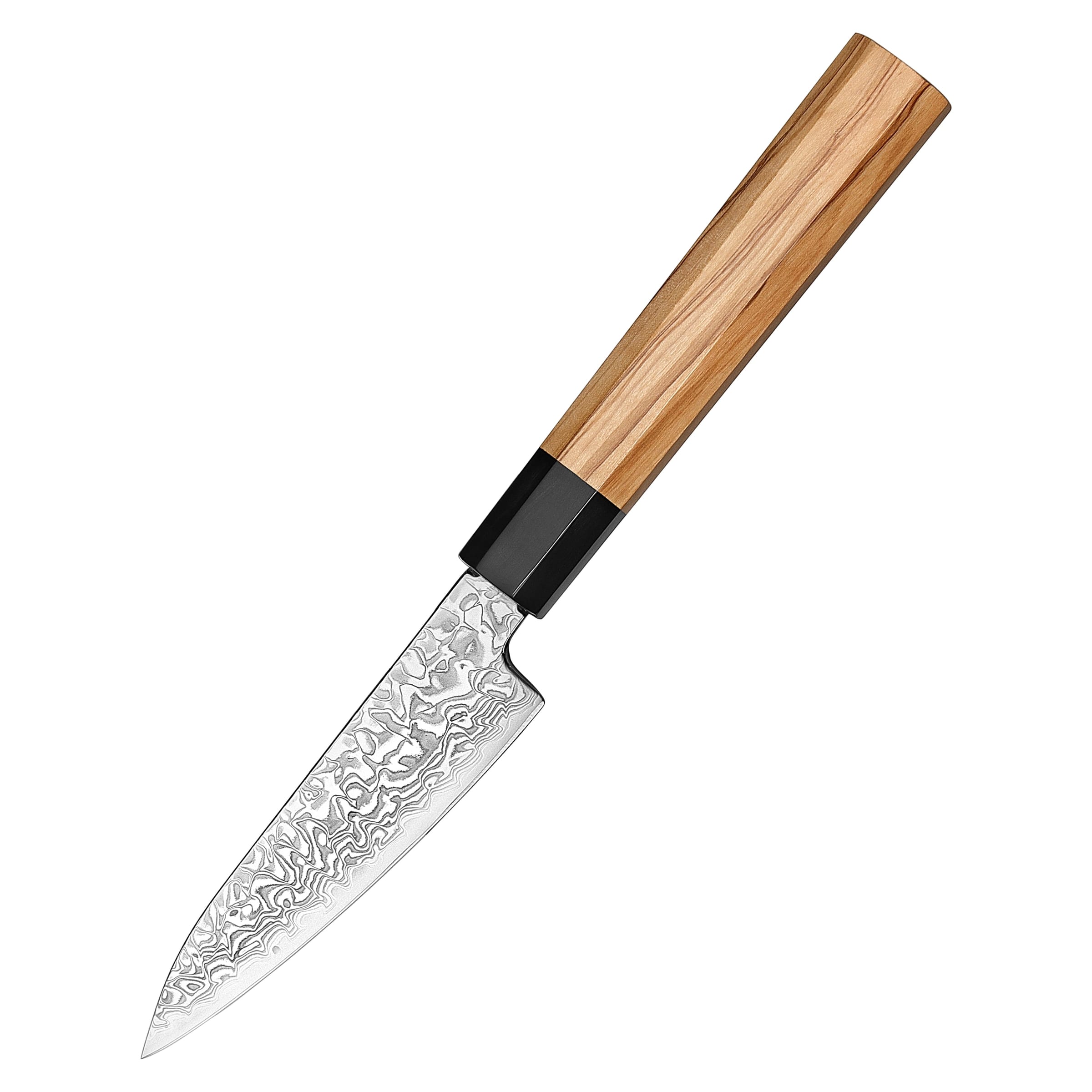
To segment citrus you need a small, sharp knife with a thin blade – a paring knife or a utility knife. A large knife is too unwieldy, and a blunt one squashes the delicate segments. Serrations tear the segments – use a straight edge.
In the shop · KAYA
Paring knife
€95,00
Segmenting an orange in 5 steps
Cut off top and bottom: cut enough off the top and bottom to expose the flesh. The orange now stands steadily on the board.
Cut off the peel: place the knife at the top between peel and flesh and cut downwards in a curve, following the shape of the fruit. Remove all the white pith at the same time. Work your way round the fruit strip by strip.
Tidy up: trim off any remaining white bits – they taste bitter.
Release the segments: hold the orange in your hand over a bowl. Cut left and right right along the fine membranes towards the centre. The segment drops out.
Catch the juice: squeeze the leftover membranes in your hand – the juice is perfect for a dressing or sauce.
Segmenting other citrus fruits
| Fruit | Feature | Tip |
|---|---|---|
| Orange | medium membrane | basic technique as above |
| Grapefruit | thick white pith, large segments | cut away the peel generously, segments are great in salads |
| Blood orange | dark red juice | work on a plate, the board will stain |
| Lime and lemon | small, sour segments | only for cocktails and garnishes, otherwise use zest and juice |
| Pomelo | very thick peel | score the peel and pull it off, separate membranes with your fingers |
What to use orange segments for
- Salads: fennel and orange salad, beetroot with orange, lamb's lettuce with orange and walnuts.
- Desserts: panna cotta, semolina pudding, crêpes Suzette.
- Savoury: duck or chicken with orange sauce, salmon with citrus.
- Breakfast: yoghurt, muesli or fruit salad.
The knife afterwards
Fruit acid attacks even stain-resistant blades if left on for long. Rinse the knife straight away with warm water after segmenting and dry it. More in the care guide (in German).
How filleting works with fish is shown in our guide How to fillet fish.
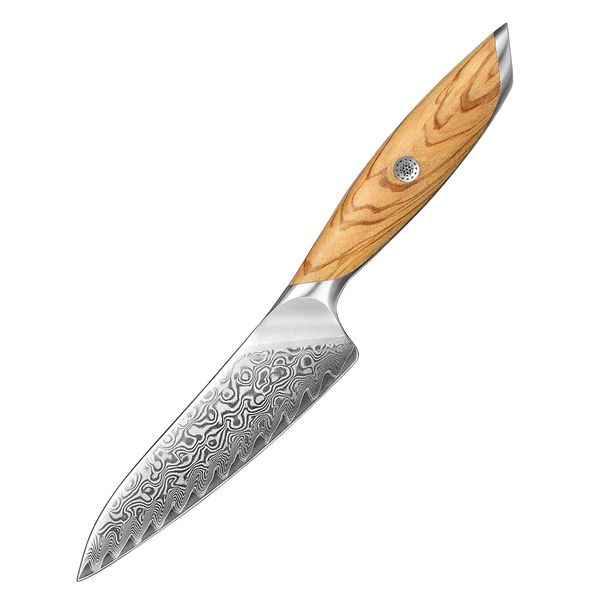
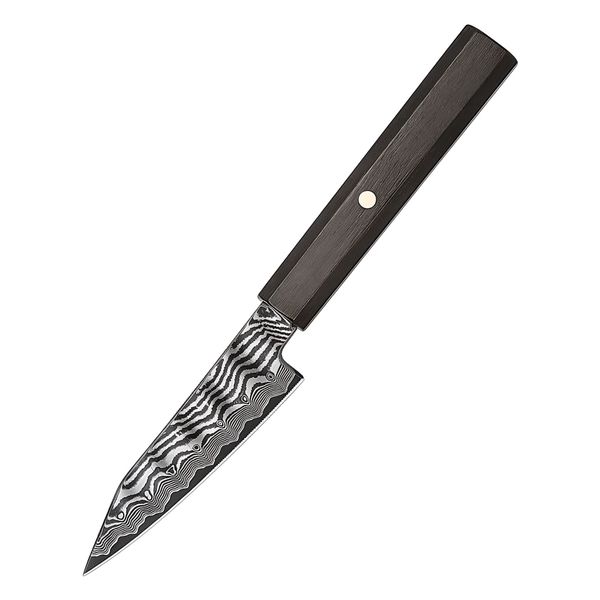
In the shop · ORIBU
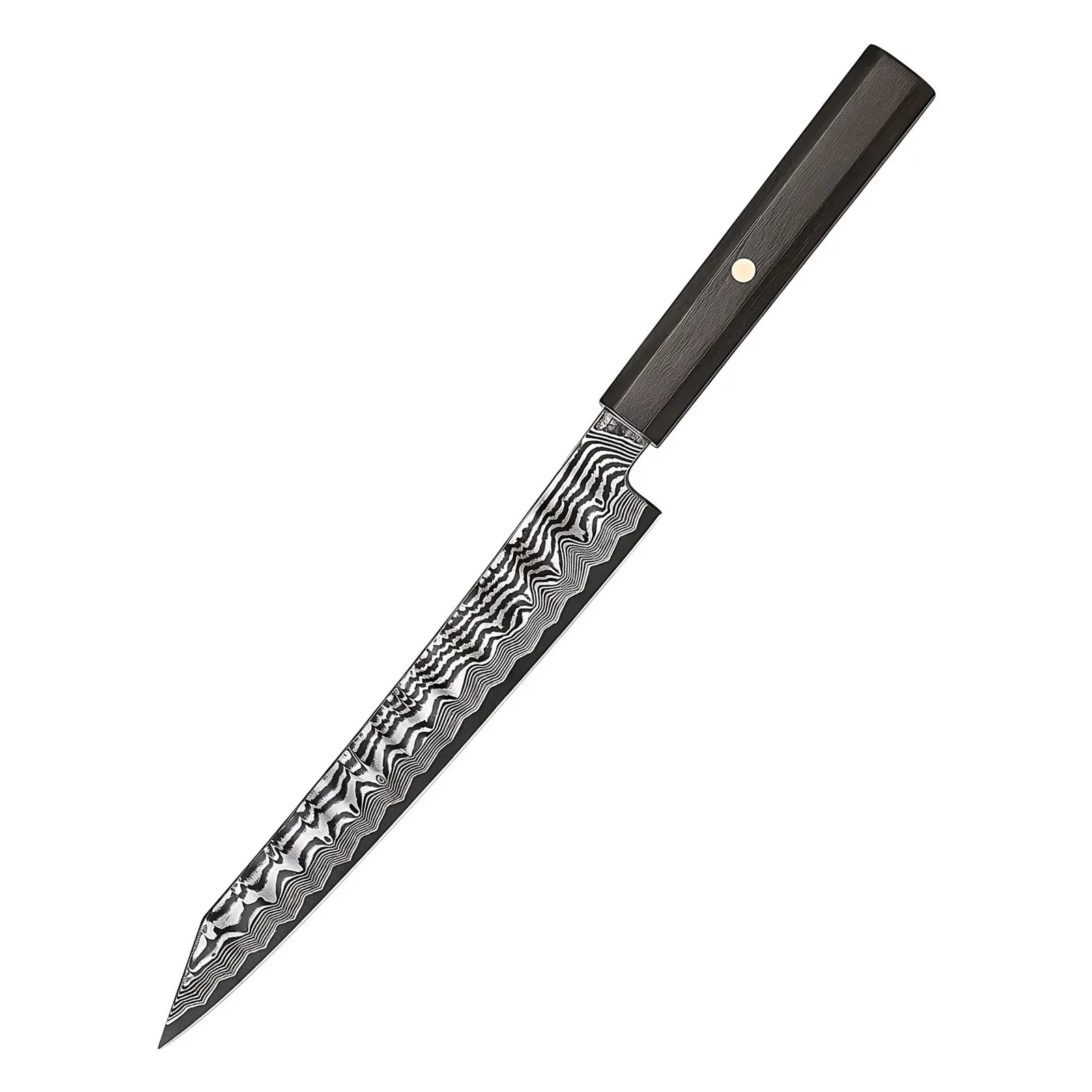
Utility knife
€105,00
Frequently asked questions
Which knife do you use to segment oranges?
A small, very sharp knife with a straight edge, such as a paring knife or utility knife.
Why remove the white pith?
It tastes bitter and is tough. Segments without pith are more tender and look nicer.
Can you segment oranges without a knife?
Not cleanly. Without a knife you can peel the orange and divide it into segments, but the membranes stay on.
What do I do with the leftovers?
The squeezed membranes give juice for dressings, sauces or simply for drinking.
Matching in the shop